Dog sleep training is something I get asked about by friends or readers—especially when they’ve just brought home a new puppy or adopted a dog that can’t seem to settle at night. If you’re aiming for quiet, restful nights and less stress for both you and your pup, getting the basics of sleep training right makes a big difference. Setting up strong routines early on helps dogs feel secure, get enough rest, and avoids some of the nighttime antics or anxiety that pop up otherwise. Here, you’ll find practical tips and first-hand advice on dog sleep training worth checking out for anyone ready to help their pup snooze soundly.
Understanding Why Dog Sleep Training Matters
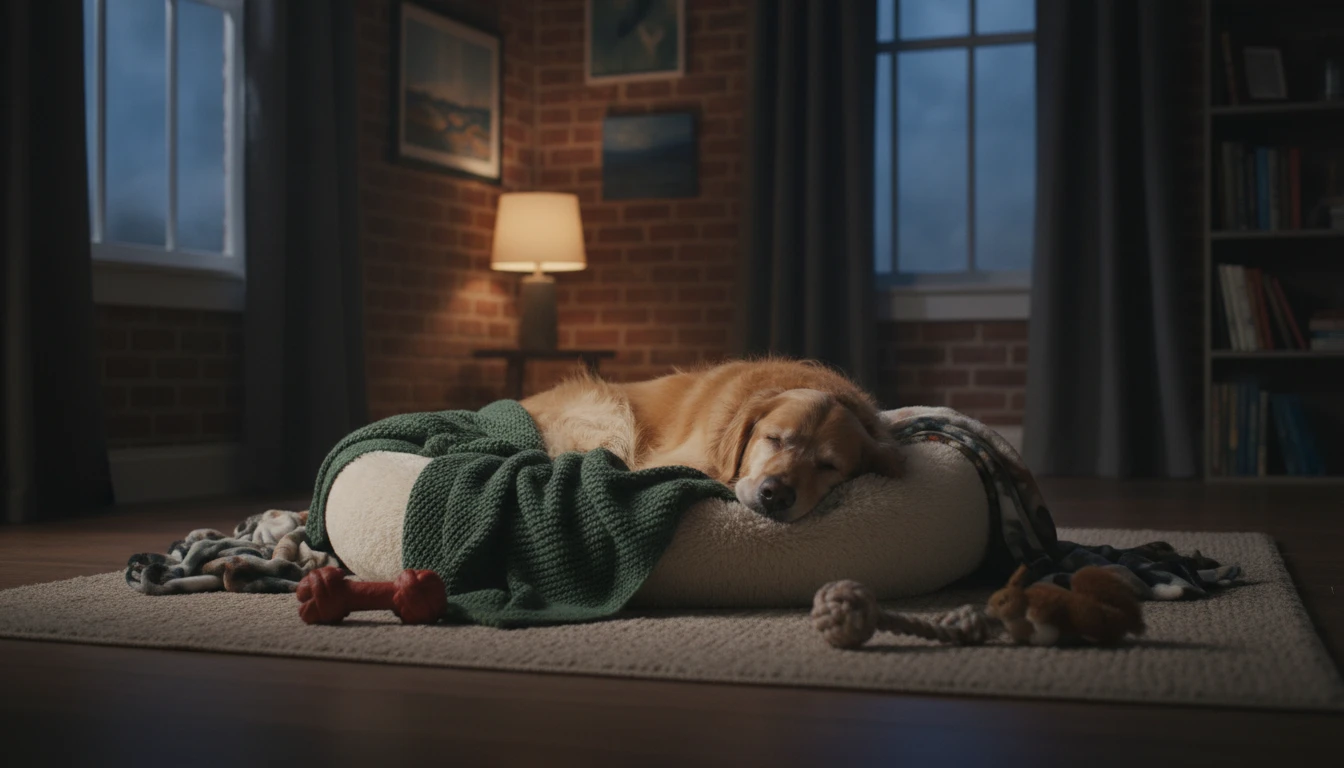
Sleep is super important for a dog’s well-being, just like it is for us. Puppies need a bunch of sleep every day to grow and stay healthy (16 to 20 hours isn’t unusual). Adult dogs should get about 12 to 14 hours of rest. If dogs don’t get restful sleep, they might get fussy, anxious, or act out like an overtired toddler. Plus, plenty of common problems—such as puppies whining at night or adult dogs pacing—often tie right back to inconsistent routines. Sleep training helps build habits that stick, making life smoother for everyone at home.
Different dogs, breeds, and ages have their own sleep needs. A young puppy’s system works differently from an older dog’s. Rescue dogs might have odd nighttime habits that stick due to their past lives. By understanding your dog’s background and habits, you’ll be able to pick the sleep training approach that fits best.
Before you start, it’s wise to ask your vet to make sure your dog doesn’t have health issues affecting sleep. Dogs in pain or with allergies or tummy troubles aren’t going to settle no matter how good your routine is, so health always comes first.
First Steps: Building Routines for Better Dog Sleep
Getting your dog used to good sleep habits is easier than it seems, but consistency is key. Dogs like knowing what to expect! Here’s what I suggest for starting out:
- Pick a Sleep Spot: Select a place where your dog can rest quietly and comfortably overnight (crate, dog bed, or pen). It needs to be safe but not so isolated that your pup feels left out.
- Set a Bedtime Routine: Dogs, especially puppies, thrive on routines. Try doing the same things in the same order each night; a short walk, a potty break, a quiet cuddle, then off to bed.
- Limit Excitement Before Bed: Skip roughhousing or noisy games before bedtime. Gentle petting or calm games are best for winding down.
- Mind Food and Water: Don’t give big meals or lots of water right before bed, or you might face a midnight potty parade.
Offering your dog a small treat or chewie when they settle down helps them associate their bed or crate with good feelings. For crate-trained pups, toss in a favorite toy or soft blanket.
Popular Dog Sleep Training Techniques
Sleep training doesn’t follow a one-size-fits-all rule. Here are some widely used approaches I’ve personally used or heard great things about:
- Crate Training: Crates work as a denlike safe spot for most dogs. Introduce it slowly, keep the door open at first, and reward your dog for choosing the crate on their own. Make sure it never feels like punishment—use treats and praise.
- Gradual Withdrawal: If your dog gets anxious when you leave, start by staying close as they drift off. Each night, move a bit farther away or step out for a longer bit, so your dog can get used to being independent at bedtime.
- Positive Reinforcement: Praise and treats work wonders. When your pup settles down quietly, reward them. Ignore whining or restless behavior (as long as you’re sure it’s not for a real need or pain). Try not to give in to late-night fussing, or your pup might keep it up for longer.
- Soothing Sounds: Some pups nod off more easily with background white noise or soft music. This can block out distractions and help anxious dogs relax overnight.
Keep in mind: Stick to one technique for a couple of weeks. Changing things up too often can make your dog confused or slow progress. If learning takes time, just be patient and keep things consistent.
Common Sleep Training Bumps (and How to Smooth Them Out)
Even with a great plan, many dog owners run into hiccups with sleep training. Here are a few issues I’ve seen and some fixes that help:
- Night Whining or Barking: Very common with new puppies or dogs in new homes. Always check if your dog needs to potty, is hungry, or isn’t in pain. If they’re fine, the best bet is to ignore attention-seeking noise while rewarding quiet. If you go in every time your dog whines for attention, they’ll keep at it!
- Overnight Accidents: Some puppies or adult dogs just can’t hold it all night. Reduce water late at night and try one last potty outing before bed. For very young dogs, accidents are normal, so don’t stress.
- Trouble Adapting to New Places: Moving houses or switching sleep spots throws dogs for a loop. Using familiar bedding or toys can help your pet feel safer and settle in more quickly.
- Waking Up Early: Smart or high-energy dogs—and those who nap all evening—often wake you too soon. Add more exercise or mental activities during the day to stretch their sleep time.
Crate Training Troubleshooting
Crate training brings its own questions. If your puppy gnaws on the crate or howls non-stop, try making the crate extra cozy and reward calm, quiet behavior with treats or a special chew. Don’t use the crate just for timeouts; that can make bedtime negative.
Helping Rescue Dogs Sleep
Dogs from shelters may need extra care. Keep routines simple, use a comforting voice, and give them special objects like a worn shirt with your scent. These touches help a nervous pup build trust and sleep better.
Advanced Tips for Smoother Sleep
Once your dog knows the basic routine, you can make things run even smoother with a few updates:
Consistency in the Household: If the whole family follows the same routine, training goes faster. Get everyone on board with ignoring attention-seeking behavior and reinforcing the good stuff.
Interactive Toys for Bedtime: Chew toys, treat-dispensing puzzle toys, or lick mats with a dab of peanut butter help some dogs wind down. It’s a perfect choice for pups who need a snacky bedtime activity.
Make Adjustments as Needed: Always pay attention to your dog’s changing needs. If bedtime gets rocky, consider longer walks, changing the room temperature, or swapping in a new bed. Older dogs might need more padding for comfort, while puppies grow out of beds quickly.
Including these ideas in your routine can make bedtime easier and prevent sleep issues down the road. Dog owners—even seasoned ones—sometimes need a few tries to find what works for their special pup.
What to Look for in Dog Sleep Gear
The right gear can smooth the way for sleep training and help your dog feel cozy. Here’s what I recommend:
- Comfy Dog Bed: Pick a bed with supportive padding and a removable, washable cover. Make sure it’s the right size for your dog. Some dogs enjoy enclosed beds for added security, especially at night.
- Safe Crate: If you use a crate, ensure it’s roomy enough to stand and turn but not too roomy to feel snug.
- Bedding or Blankets: Choose soft, cozy, and warm blankets—particularly good for small dogs or those with thin coats.
- Calming Aids: Beds with raised edges, calming beds, or even pheromone diffusers can give anxious dogs comfort at night.
- Quiet Toys: Soft toys or tough chews (nothing too noisy) for dogs that like company at bedtime.
If your dog already favors a certain spot, consider making it their regular sleep zone to encourage peaceful sleeping.
Frequently Asked Questions
New dog owners always have sleep training questions. Here are a few favorites:
Question: How long does it take to sleep train a dog?
Answer: It usually takes several days to a few weeks. Puppies sometimes need more time than adult dogs, but being consistent works wonders.
Question: My puppy whines at night—should I check on them?
Answer: Only go if you think they need to potty or seem hurt. If not, ignoring the fuss and rewarding calm is your best bet. They’ll figure out whining doesn’t get the reaction they’re after.
Question: Are crates cruel for dogs at night?
Answer: Used the right way, crates can be a positive place. Many dogs love their crates. Issues pop up if you introduce them negatively or only use the crate for punishment.
Easy Routine = Happier, Healthier Dogs
Setting up healthy sleep habits for your dog changes the vibe at home. Your family gets better rest, and your pup learns to relax and trust you when it’s time to turn in. Stick with consistency, patience, and keep a sense of humor—those are your best tools. Over time, these routines become second nature for both you and your dog. If sleep problems show up later, they can almost always be solved by looking at your routine and making a few tweaks as your dog’s needs change. Here’s to many peaceful, restful nights for you and your furry best friend!