If you’ve got a big dog who manages to shred new toys within minutes, you’re not alone. I’ve been there, searching for toys that don’t get destroyed within a single afternoon. Tough dog toys that stand up to heavy chewing are more than just a perk; they can keep your dog safely entertained and help protect your favorite pair of shoes. I’m going to get into what you should know when shopping for durable dog toys for big chewers and how to pick options that keep everyone happy, tail-wagging included.
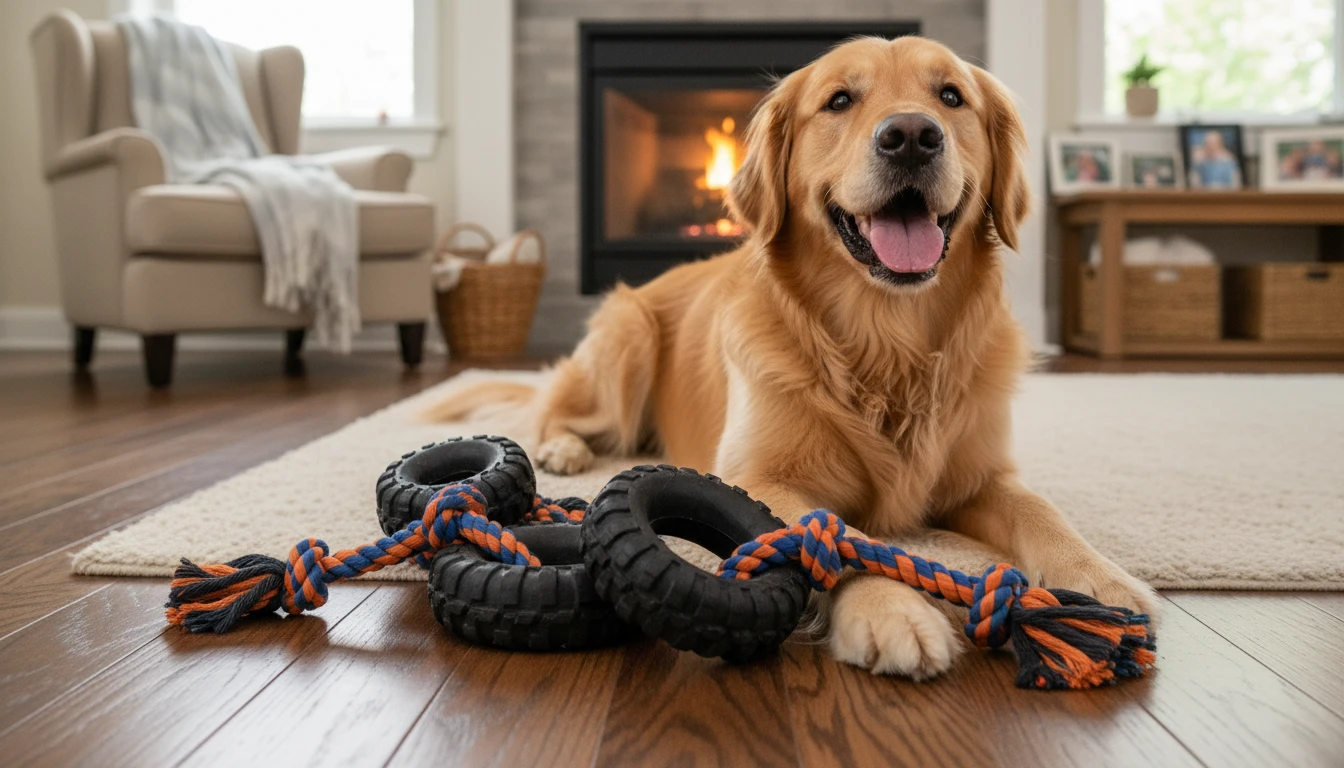
Why Big Chewers Need Strong Toys
Dogs who love to chew, especially larger breeds, need toys that can keep up with their powerful jaws. It’s not just about avoiding messes. A toy that breaks apart too easily can become a choking risk, and nobody wants that. Strong toys hold up better during tug, fetch, and those marathon chewing sessions that seem endless if you’ve got a motivated chewer at home.
Chewing is an instinct for most dogs, and for some, it’s a way to deal with boredom or mild anxiety. Chewing can also help clean teeth and promote healthy gums. Regular plush toys or basic tennis balls just don’t cut it for bigger breeds or dogs with strong jaws, so seeking out tougher materials is a smart move. On top of that, offering a solid chew toy helps keep their minds busy, which gives a boost to their mental health and can prevent destructive behaviors around the house.
What Makes a Dog Toy Durable?
You’ll notice that not all “tough” or “indestructible” dog toys really live up to their claims. Some materials naturally fare much better than others. Here are the most common types you’ll see—and what I’ve found works best:
- Natural Rubber: Rubber toys offer bounce, stretch, and don’t crack easily. They’re usually good for fetch, tugofwar, or just gnawing away while you’re busy. These toys strike a good balance between being firm enough to last and soft enough not to damage teeth.
- Hard Nylon: Great for power chewers. These toys offer a real challenge and don’t flake or chip easily. Many are flavored or have textured surfaces to keep your pup’s interest for longer periods of time.
- Rope: Braided rope toys hold up surprisingly well during tug games. The fibers can also help clean your dog’s teeth, but keep an eye out for fraying over time. Rope toys can also be soaked in water and frozen for a cooling, soothing chew in summer.
- Specialized Fabrics: Some toys use ballistic nylon or reinforced layers to make plushies a bit more resilient. Not totally chewproof for the biggest chewers, but better than standard plush toys. These can be good for toss-and-chase games with supervision.
Materials aside, wellmade toys use doublestitching, reinforced seams, and thick construction. For any toy, especially those labeled for tough chewers, it’s smart to check reviews and see how the toy held up with other people’s pups. Toys designed this way last significantly longer and are worth the investment.
Choosing the Right Toy for Your Dog
Finding the right tough toy depends on your dog’s play style and size. Some dogs are fetch fanatics, while others really just want something to gnaw on. Here are a few things to keep in mind while browsing:
- Size Matters: Oversized toys are harder to tear and help prevent accidental choking. Make sure the toy is large enough that your dog can’t swallow it.
- Texture: Dogs often like a variety of textures for chewing satisfaction. Look for toys with bumps or grooves; these are usually more enticing and help clean teeth during chewing.
- Interactive Features: Hidden treat areas or puzzle parts add a mental challenge, which helps with boredom. Toys that have spots for treats can encourage problem-solving and keep your dog occupied for longer stretches.
- Safety: No small, breakable pieces that can be swallowed. If a toy is falling apart, replace it immediately to avoid any risks.
My own dog loves rubber toys with treat compartments. Filling them with peanut butter or kibble offers extra enrichment, keeping him busy longer and wearing out his jaw in the process. Switching it up every now and then helps keep his interest, especially if he gets bored with the same toy over time.
Quick Guide: Dog Toy Durability Checklist
If you’re shopping in-person or scouring reviews online, here’s a quick checklist that usually helps me separate the tough stuff from toys that get destroyed fast:
- Stick to wellknown brands with a reputation for durability.
- Look for packaging that says “for aggressive chewers” or “heavyduty use.” This usually means the toy was designed to withstand more rigorous play.
- Try to bend, flex, or tug on the toy yourself; if it feels weak to you, your big dog will break it even faster.
- Choose singlepiece toys. Toys with gluedon limbs, ears, or details don’t have great longevity and usually don’t survive rough play.
- Favor simple designs over complicated ones with a lot of moving or sewnon parts. The fewer the parts, the fewer the ways the toy can break apart.
By sticking to these basics, you’ll avoid wasting money on toys that only last a day or two and save yourself the hassle of constant cleanups. This also keeps your dog safe from accidentally ingesting toy pieces.
Common Problems (And What To Do About Them)
No toy lasts forever if your dog is a true power chewer, but some issues come up more often than others. Here’s how I tackle the most common headaches:
- Shredded Toys: Rotate through a few tough toys instead of always relying on one. Once a toy looks damaged, swap it out before bits break off. Keeping a small stash on hand means your dog always has something safe to chew.
- Loss of Interest: Mix up textures (rubber, rope, nylon) and occasionally stuff them with treats for extra excitement. Change up the toys weekly to boost novelty and prevent boredom.
- Teeth Damage: Very hard toys, like solid bones or antlers, can chip dogs’ teeth. If in doubt, pick tough rubber or nylon over rockhard options to protect dental health.
- Stray Strings: Trim off loose rope ends on tug toys to avoid swallowing hazards. If you see excessive fraying, discard the toy and replace it with a fresh one.
Rubber Toys
Some brands, like KONG or Goughnuts, are recognized for tough rubber toys that last. I like using these for fetch (they bounce nicely) and for freezing with peanut butter inside for a longer-lasting challenge. Always check for cracks or loose pieces during cleaning, and wash them regularly to keep them safe for your dog.
Rope and Fabric Toys
Not every big chewer can have plush toys, but supertough rope toys offer some variety if your dog likes to shake and tug. Look for large knots and thicker braids. Just keep in mind, once you see fraying or loose threads, it’s time for a replacement to keep things safe.
Nylon Chews
For dogs who ignore balls and just want to gnaw, hard nylon bones are a classic pick. I’ve had good luck with brands that offer flavorinfused options, which sometimes encourage a picky pup to keep chewing. A word of warning: always supervise the first couple of chewing sessions, just in case your dog is able to break off any large chunks.
Advanced Tips For LongLasting Play
Getting the most out of tough dog toys doesn’t stop at picking the right material. Here’s what I’ve learned helps make dog toys last even longer:
- Rotate toys weekly so your dog never gets bored and fixates on destroying just one. A fresh lineup every few days makes even old toys feel exciting.
- Supervise play, especially at first, so you catch signs of damage before anything becomes a hazard. Watching closely also lets you see what kind of toys your dog prefers.
- Clean toys regularly, especially after stuffing them with food or treats. A quick wash in hot, soapy water works for most rubber, nylon, or rope toys, keeping them sanitary and smelling fresh.
- Avoid toys that are too small; even if the material is marketed as tough, a small toy gets broken apart more easily by a large jaw.
Dogs are individuals, so pay attention to which toys survive and which get destroyed. I keep a small rotation of tried-and-true favorites that withstand rough play and swap them as needed, which means my dog always has something safe and fun to chew.
Examples of RealWorld Tough Toys
I’ve tested plenty of dog toys over the years. Here are a few common use-cases where strong toys really stand out:
- Tugofwar: Rope toys and thick rubber rings work great for rough play between big dogs or during tug games with humans. Look for reinforced materials and sturdy knots.
- Solo Chewing: Textured rubber bones with treat pockets or stiff nylon chews can keep heavy chewers busy and away from the furniture. Treat holders add new excitement when your dog needs a challenge.
- Fetch: Rubber balls or discs designed for extreme use are perfect for dogs who love chasing and bring plenty of excitement without falling apart outdoors.
Durable toys aren’t just a splurge; they’re an investment in your dog’s health and your peace of mind by cutting down on cleanup and worrying over lost stuffing or swallowed chunks. They give your dog a safe outlet and let you relax while your pup plays hard.
Frequently Asked Questions
Here are some common questions I hear from other dog owners shopping for toys for tough chewers:
Q: How do I know if a toy is safe for my big chewer?
A: Always read the packaging for durability claims and stick with established brands. Avoid toys with parts that can break off. If your dog manages to bite off chunks, move up to a tougher material or a larger toy for added safety.
Q: How often should I replace tough dog toys?
A: Check toys every week for signs of cracking, fraying, or missing pieces. If you see damage, it’s time for a replacement, even if the toy was costly. Keeping toys in good shape is safer for your dog and helps them last longer in the long run.
Q: Can really hard toys damage my dog’s teeth?
A: Yes, toys that are too hard, like bones or antlers, can sometimes cause chips or wear. If you’re concerned about your dog’s teeth, stick to rigid rubber or tough nylon chews instead for safer play and healthier gums.
Best Practices for Getting the Most Value
Shopping smart is super important for big chewers. I always look for satisfaction guarantees; some companies will replace a toy if your dog shreds it too fast. Stick with established brands and check out other owner experiences online for honest feedback. Remember, no toy is truly indestructible, but with a bit of trial and error, you’ll stumble upon a few that survive more than just a single play session.
Strong toys give big chewers a safe and satisfying outlet for their energy, which helps everyone in the household stay happier. It might take a few tries, but eventually you’ll have a lineup of durable dog toys that your pup, and their teeth, will love. When in doubt, rotate toys and keep an eye out for signs of wear, so the fun never has to stop and your dog stays safe.