Dog owners often wonder how sharing a bed with their dog impacts their quality of sleep. I totally get why many choose to snuggle up at night. It’s cozy, comforting, and creates a deeper sense of companionship. But squeezing a furry friend into your nightly routine can have both upsides and some issues you might want to think about. Here’s an all-in-one breakdown of how letting your dog sleep in your bed can affect your sleep, for better or worse.
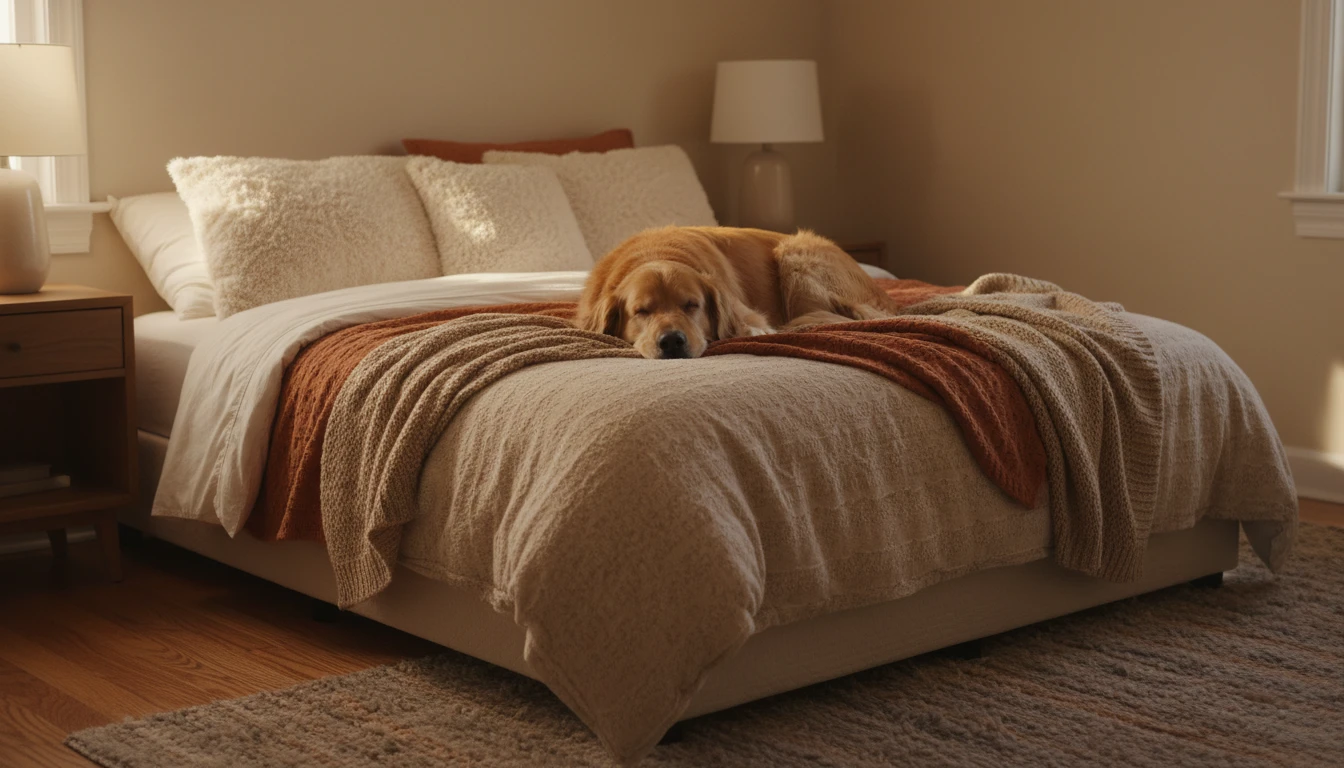
Understanding How Dogs Affect Human Sleep
Humans and dogs have been sharing sleeping spaces for thousands of years. The idea that a dog helps us feel safe and warm isn’t new. In recent years, more studies have checked out how pets really affect our shuteye. Some researchers suggest that the presence of a pet can help lower anxiety and boost feelings of security. On the other side, there’s evidence showing that pet movement and nighttime habits can mess with your deep sleep cycles.
Sleep quality is shaped by how well and how much we sleep. Factors like the number of times you wake up at night, how comfortable you feel, and how refreshed you feel in the morning all matter. When a dog shares your bed, it can change the equation in a few ways, sometimes for the better, and sometimes not so much.
Researchers are still trying to figure out exactly how dogs impact our overall sleep patterns. Some findings suggest that pet owners who sleep with their dogs tend to wake up more often through the night than people who have their dogs sleep elsewhere, though not everyone notices a big difference. People who struggle with anxiety, though, might find the benefits of having their pup close by outweigh the lost sleep.
Common Benefits of Allowing a Dog in Your Bed
There’s a reason so many people love cuddling their pups at bedtime. I’ve found a few positive effects really stand out:
- Comfort and Security: Having your dog nearby can make you feel safer, especially if you live alone or feel more anxious at night. Dogs have a way of putting their humans at ease. Their presence might even act as a kind of natural alarm system, making you less sensitive to noises that might otherwise be stress-inducing.
- Emotional Bonding: Bed-sharing strengthens the human-dog bond. If you’re gone most of the day, those nighttime snuggles can help you stay connected. This closeness is good for both you and your dog, who also get a little reassurance from being with their person.
- Stress Relief: Studies, including those cited by organizations like the Sleep Foundation, show that petting and being close to a dog can lower stress hormones, release feel-good chemicals like oxytocin, and make it easier to drift off at night.
- Warmth: On cold nights, a dog’s body heat can be pretty handy, making sleep more comfortable. This is especially nice during the winter months or if you have a drafty home.
Some owners even say they fall asleep faster and wake up in better moods. For certain folks, these perks really outshine any downsides, helping them get to sleep easier and wake up feeling more emotionally stable. That feeling of companionship shouldn’t be underestimated, especially if you’re dealing with emotional ups and downs or just want a bit of extra comfort during the night.
Drawbacks and Disruptions to Watch Out For
While there are some perks, letting your dog share your bed comes with a few challenges. Over the years, I’ve noticed (and many friends have shared) that these problems pop up more often than you’d expect:
- Sleep Disruptions: Even small dogs often switch positions, scratch, bark, or dream during the night, which can wake you up briefly. These little disturbances add up, and you may not always realize why you feel less rested.
- Allergies and Cleanliness: Dogs shed dander, fur, and can track in dirt from outside. If you have allergies, sensitive skin, or asthma, this can make sleep much less comfortable and might even lead to more time spent cleaning your bedding. Regular grooming is crucial to help here.
- Reduced Space: If you’re already tight on mattress space, adding a wiggly pup can keep you from fully stretching out, which may cause muscle stiffness or restless sleep. For couples, sharing the bed with a dog sometimes means sacrificing personal space or even forcing one partner to the edge of the mattress.
- Disturbed Sleep Cycles: Dogs have polyphasic sleep patterns (they nap on and off), while humans usually have one long sleep period. When your dog wakes up to move around or reacts to small noises, your sleep cycle can get thrown off. This can lead to grogginess even if you think you got enough hours in bed.
- Snoring and Noises: Certain breeds snore, snort, or make noises that can rival any human partner. Depending on how deep a sleeper you are, this could keep you up or wake you throughout the night. Some owners find a white noise machine helpful to tone down canine sounds.
Keep in mind that cleanliness also plays a big part. Dogs that spend their days outside or love rolling in muddy fields may not make the best bed partners unless you’re ready to wash your sheets almost daily.
How Age and Temperament Make a Difference
The impact your dog has on your sleep depends a lot on their age and personality. Puppies and young dogs often need bathroom breaks during the night and can be restless sleepers, sometimes whimpering, chewing on things, or just wanting attention long after you’ve settled in. Older dogs may snore, deal with joint pain (which can make them fidget), or get up more often for water or bathroom breaks.
Some breeds are naturally high-energy and move around a lot, while others stick close and barely move all night. I’ve noticed that knowing your pup’s habits helps you decide if bed-sharing is a good idea. For anyone dealing with a highly anxious or active dog, setting up a dog bed beside your own is a helpful compromise. Your dog feels close but isn’t disrupting your rest as much. As they age, some dogs become more docile, which can make sharing a bed easier over time.
Tips for Better Sleep With Your Dog in Bed
Decided to keep your dog in bed? Here are some super useful ideas for keeping everyone comfy and giving your sleep quality a boost:
- Regular Grooming: Keeping your dog clean and brushed can cut down on dander, fur, and dirt in the bed. A quick brush before bed also helps keep your sheets cleaner.
- Set Boundaries: Create a routine or an assigned spot for your pup, such as a blanket or mat, so they don’t take over the whole mattress. You could even use pillows to give your dog a space where they can curl up without hogging the covers.
- Encourage Bathroom Breaks Before Bed: A walk or quick bathroom break just before bedtime helps reduce the odds of middle-of-the-night trips outside, which interrupt everyone’s slumber.
- Exercise During the Day: Getting your dog plenty of daytime activity helps them sleep more soundly at night with less tossing and turning. Tired dogs make quieter sleep buddies.
- Wash Bedding Often: Clean sheets and pillowcases clear up allergens and keep things fresh. Washing once a week usually does the trick, but you might want to wash more if your dog is especially adventurous outdoors.
- Pay Attention to Your Own Sleep Quality: Notice if you’re feeling tired, sore, or grouchy in the mornings. If so, try letting your dog sleep in their own bed some nights and see if you feel better. It’s okay to switch things up as needed.
- Train Consistently: Use simple commands like “settle” or “bed” so your dog understands when it’s time to calm down for the night. Training doesn’t just make bedtime easier—it helps your dog feel less anxious about nighttime routines.
When Sleeping Together Might Not Work Out
There are a handful of situations where it’s actually safer for you, or your dog, to sleep separately. If you struggle with insomnia, have a medical sleep disorder (like sleep apnea), or deal with allergies, sharing a bed with your pup could get in the way of getting the rest you need. In these cases, setting up a cozy dog bed nearby still gives you all the emotional benefits without trading away precious sleep quality.
Puppies in the midst of potty training can be especially tough to share a bed with, not to mention dogs recovering from surgery or going through behavioral training. Everyone in the household should be on board with the arrangements. If your partner or other family members are losing sleep due to doggie shenanigans, it’s worth rethinking where your dog snoozes. Communication and compromise keep everyone happier.
Keep in mind too that some dogs get used to having their own space and may sleep better themselves without being disturbed. Watching your dog’s behavior in both setups can help you spot whether they’re getting good rest as well.
Frequently Asked Questions
Dog owners often have a bunch of questions about what’s normal and what works best. Here are a few I get pretty often:
Question: Is it bad for my dog to sleep in my bed?
Answer: Bed-sharing is usually fine for healthy dogs and owners, as long as you don’t have problems with allergies or disrupted sleep. Some people just sleep better with their dog nearby, and many animals enjoy the closeness too. Just make sure your pup feels safe and is able to get comfortable at bedtime.
Question: Will letting my dog in my bed cause behavior problems?
Answer: Sleeping in your bed usually doesn’t lead to bad behavior unless your dog is already showing signs of being possessive or anxious. Consistent boundaries make things easier for everyone. If your dog ever gets snappy or tries to guard the bed, that’s a sign you need to work on training and possibly have them sleep elsewhere for a while.
Question: How can I make sharing my bed with my dog more comfortable?
Answer: Keep your dog clean, give them a designated sleeping spot, and stick to a nighttime routine. Wash bedding weekly and consider bumping up exercise so your pup is more likely to snooze right through the night. Setting clear bedtime rules goes a long way toward making the experience positive for both of you.
Question: What if my partner and I disagree about sharing the bed?
Answer: Open communication helps a lot. Compromising by having your dog in the room but not on the bed, switching up which nights the dog sleeps with you, or taking turns can be a good solution. It’s important that everyone gets a good night’s sleep, so talk things over honestly.
Looking at the Big Picture
Deciding whether to let your dog sleep in your bed is a pretty personal choice. There’s no exact right or wrong, and it’s really about finding what leaves you feeling the most rested and happy. For some people, the comfort and connection are worth an extra wiggle or snore at night. For others, having uninterrupted, allergyfree sleep is what matters most. Try different setups, be honest about how your sleep is going, and adjust if you need to. You and your pup can find a routine that works for you both. By keeping your options open and staying in tune with your needs, you’ll figure out the best arrangement for a restful and happy night’s sleep for everyone involved.