If you’re bringing a large dog into your home for the first time, you’re in for a fun and pretty eye-opening experience. Big dogs have plenty of love to give, but there’s a lot to learn with these gentle giants. From exercise and diet to behavior and safety, caring for a large breed is different than what you might expect with smaller pups. Here’s the stuff I wish I knew when I brought home my first big furball.
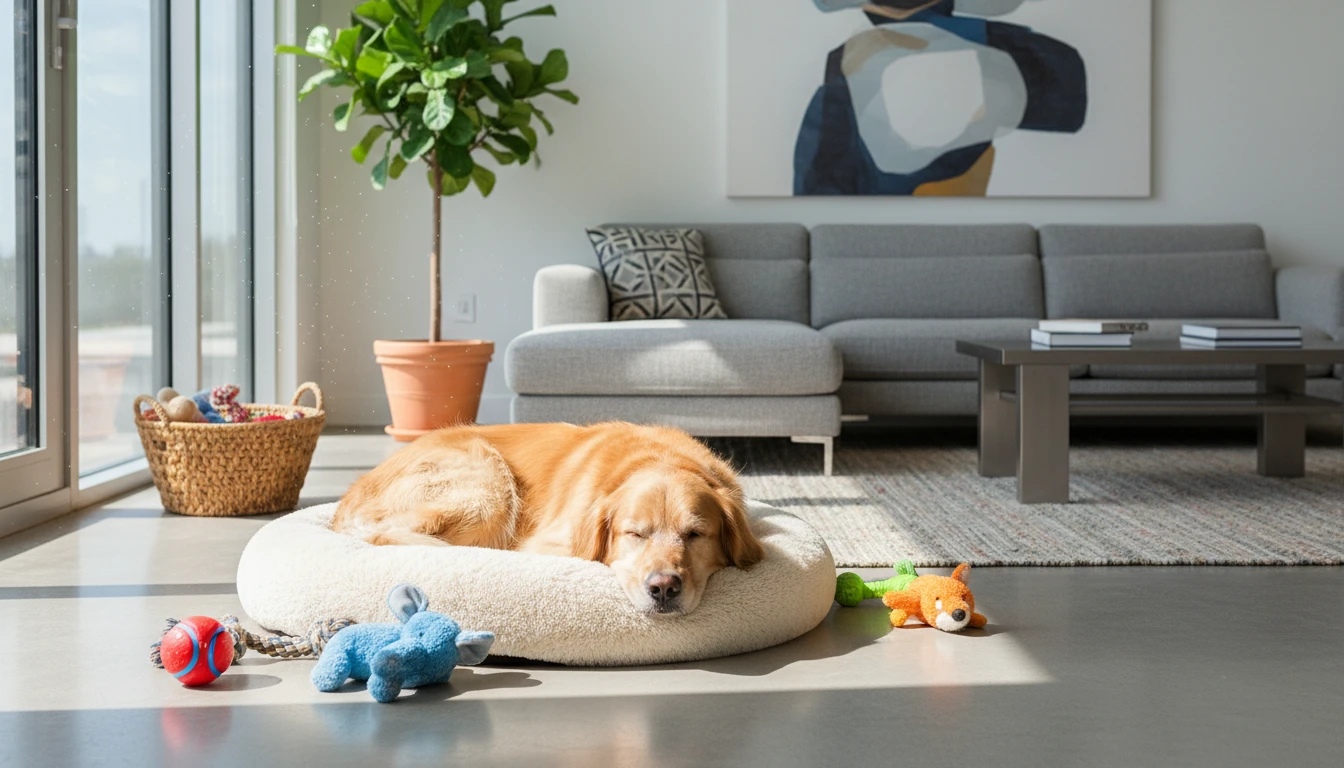
Understanding the Unique Needs of Large Dogs
Large dogs bring a special vibe to any home, mostly due to their size and energy. Whether you have a sturdy German Shepherd, a gentle Newfoundland, or a goofy Great Dane, these breeds have unique needs that deserve attention right from the start.
Big breeds often need more space to move around and stretch out. Unlike little dogs that can be content running laps in the hallway, large dogs do best with a home that has a decentsized yard or safe spots nearby for regular exercise.
Large breeds also tend to grow quickly, so their joints and bones need extra care. Paying attention to diet, exercise, and regular vet checkups helps catch any issues early. Knowing these basics makes the first months of ownership a lot smoother for both you and your dog.
Besides physical considerations, big dogs also need plenty of social interaction and mental stimulation. Without enough challenges, these pups can get bored and develop difficult habits. This means extra time playing, teaching new tricks, and exploring new places together. The bond you form during these activities is just as important as their physical health.
Starting Out Right: Preparing for Your Big Dog’s Arrival
Getting your space ready for a large dog is about more than just buying a big bed or extra food bowls. These pups need safety, comfort, and the right kind of setup. Here’s what I found helpful in those first weeks:
- Dog-Proof Your Home: Move breakables and any harmful items out of tailwagging range. Large dogs can easily swipe things off coffee tables without even trying.
- Get Sturdy Gear: Collars, leashes, and beds all need to handle the weight and strength of a big pup. Look for reinforced stitching and higher weight ratings on everything.
- Plan for Space: Make sure there’s enough room for your dog to stretch, play, and lay down comfortably, both inside and outside.
It’s also really important to have a plan for car rides. Crates and seatbelt harnesses designed for large breeds keep everyone a lot safer. If you plan on traveling frequently, research vehicles that provide plenty of space for large dogs, especially if your family enjoys road trips with your furry friend in the back.
Quick Guide for Big Dog Beginners: The First Few Weeks
The first month is when everything starts to click, or when it all feels overwhelming. Here’s a handy step-by-step guide that helped me get settled in with my massive new roommate:
- Set Up a Routine: Large dogs do well with predictable feeding, walking, and sleeping times. This helps with house training and keeps stress low during the adjustment period.
- Find a Great Vet: Not all vets have experience with giant breeds. Look for a clinic familiar with your dog’s specific needs such as hip checks and breed-specific diseases.
- Socialize Early: Introduce your dog to new sights, sounds, pets, and people steadily. This builds confidence and reduces anxiety as they grow.
- Start Training Right Away: Even if your new dog is a sweet older rescue, large dogs need clear rules. Start with basics like “sit,” “stay,” and loose leash walking.
- Monitor Health and Growth: Measure weight, inspect paws, teeth, and ears, and stay updated with vaccinations and preventatives. Take note of any sudden changes in appetite or behavior, as these can be early warning signs of health concerns.
Slipping into a regular routine helps both you and your pup feel settled fast. Adding to this, always keep records of your dog’s growth stages and note their reactions to new foods or experiences. This info will be handy when you visit your vet or need to spot any unusual shifts.
Big Dog Challenges (and How to Handle Them)
Even if you’re used to dogs, there’s a learning curve with big breeds. Common challenges pop up, but most are manageable when you know what to look for:
- Joint Issues: Big dogs are prone to hip dysplasia and arthritis. Good nutrition, vet checkups, and joint supplements can help.
- Chewing and Destruction: A bored large dog can easily chew through shoes, furniture, or fences. Daily exercise, tough toys, and mental enrichment go a long way.
- Cost: Food, meds, and accessories add up quickly. Budgeting for higher costs helps avoid surprises.
- Training Power: A strong dog can pull you off your feet if basic leash skills aren’t set early. Consistent training is super important.
Joint Health
Joint care is the backbone of keeping large dogs comfy for the long run. When my Lab started limping, a vet visit and supplements made a quick difference. Stay alert for signs of pain, and ask your vet about preventative steps, especially as your dog gets older. It’s worth exploring joint-friendly beds and non-slip rugs if you have hardwood or tile floors to step up safety indoors.
Destructive Chewing
Big jaws mean big messes if your dog gets bored. Kong toys, puzzle feeders, and stuffed bones keep large pups busy when you’re not able to play. Swapping out toys often adds extra fun. Remember, rotating toys keeps things fresh and prevents boredom from sneaking in.
The Budget Factor
Larger breeds eat more, outgrow gear faster during their puppy phase, and often need pricier medical care. I started a “dog fund” for those chunky bags of food, big beds, and yearly boosters, which really helped take the stress off down the road. It’s also smart to check out pet insurance policies that are tailored for bigger breeds, since the cost of care can add up quickly.
Training for Strength
Shaping good habits in a big dog is worth the patience. Practice leash walks in safe spaces, reward calm behavior, and always keep treats handy. Training games like “find it” or “come” build trust and reinforce commands, and help your pup burn off energy too. Don’t skip basic obedience classes, because the focus and energy needed for big dogs can be different than with smaller ones. Group classes are a great way to socialize your pup as well.
Tips and Tricks for Happy, Healthy Large Breeds
Large dogs thrive on both physical and mental exercise, with a bit of breedspecific love thrown in. Here are some tricks I use to keep my big buddy running smooth:
Mix Up Exercise: Long walks and playtime are great, but swimming, hiking, and gentle agility play take pressure off growing joints and prevent boredom.
Watch Their Diet: Large breed dog foods are formulated to control growth, which helps avoid joint problems later. Always ask your vet about the right feeding plan, since overfeeding is a real risk and can cause big health issues. Adjust feeding as the seasons change or if your dog’s activity level goes up or down.
Focus on Body Language: Learning to read your dog’s signals helps spot pain or stress early. A big dog might not whimper, but if they slow down or seem stiff, take notice and check in.
Create a Safe Spot: Every dog needs a place to feel secure. Set up a cozy mat or bed where your big dog can chill out if things get too noisy or busy.
Also, include your dog in your daily life as much as you can. Large dogs love being with their people, whether it’s a car ride, weekend adventure, or simply hanging out on the porch. They often bond closely with their family and enjoy being involved in routines. Your attention can make all the difference in their emotional well-being.
The Basics: What Supplies to Focus On First
Spending a little extra for the right gear earns its keep fast. Here’s what I found really useful when shopping for my big dog:
- Proper Fitted Harness: It’s safer for walks and reduces strain on neck and back.
- Heavy Duty Food and Water Bowls: Tip proof and easy to clean save headaches.
- Durable Toys: Think thick rubber, not plush or squeaky items that shred instantly.
- Comfy Bed: Supportive foam beds cushion those big joints. Look for washable covers.
Real life example: I picked up a massive rope toy, and it lasted much longer than anything else in the toy box, which saved both money and frustration. Same goes for investing in a higher quality harness instead of a basic collar. Walks became way easier, and I felt safer knowing my dog was secure. If you plan outdoor time, grab a cooling mat or pool for summer months to help your pup beat the heat.
Frequently Asked Questions
New large dog owners usually have a ton of questions. Here are answers to a few I hear often:
Question: How much exercise does my large dog need?
Answer: Most large breeds need at least an hour every day, but energy levels vary by breed and age. Mix up walks with play, swimming, or gentle offleash time if possible.
Question: Are large dogs hard to train?
Answer: Training a big dog isn’t harder, but it’s more important. Their size and strength mean even a friendly jump can knock someone over. Start with the basics and stay positive.
Question: Do large dogs have more health issues?
Answer: Some big breeds are more prone to joint or heart problems. Regular vet care, controlled feeding, and joint friendly exercise are super helpful for long-term health.
Question: Do big dogs get along with other pets and kids?
Answer: Most large dogs are loving and patient when properly socialized. Supervise early introductions, teach calm greetings, and reward gentle behavior around kids or smaller pets until everyone finds their groove together.
Big Dogs, Big Love
Owning a large dog is a unique adventure. It does take a bit more effort, planning, and patience, but the payoff is totally worth it. You get loyalty, playfulness, and a constant companion with a little extra heft. With solid prep, good routines, and the right gear, you’ll both enjoy a happier, healthier life together. Big dogs become part of the family in a way you might not expect—they fill spaces in your home and your heart that you didn’t know were there. Embrace every moment, keep learning, and cherish the eye catching joy they bring to your world.