Owning a large dog is rewarding in so many ways, but it’s definitely not without its hurdles. Big breeds come with their own quirks, from needing extra space to special health care. If you’re thinking about getting a large dog or already have one lounging across your sofa (or taking up the whole bed), I’ve got plenty of practical tips to help you out. This guide covers what to expect, how to prepare, and ways to make large dog ownership a lot smoother.
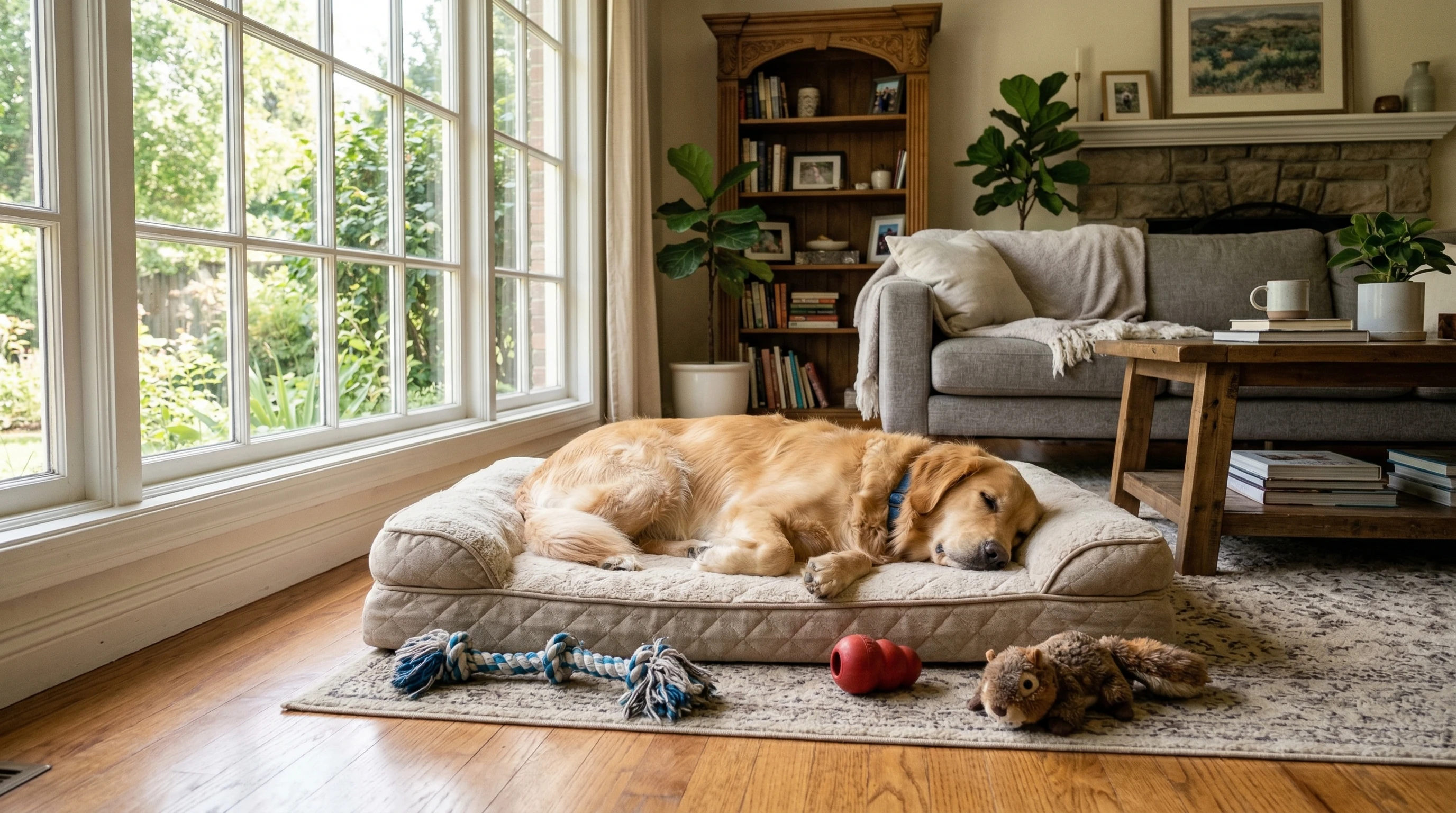
Why Large Dogs Are Different
Large dogs aren’t just regular dogs in a bigger body. Their personalities, health issues, and daily needs can be really different from what you’ll see with smaller breeds. Some popular big breeds like Great Danes, Saint Bernards, and Newfoundlands are gentle giants, while others such as German Shepherds or Boxers tend to be more energetic. Each of these breeds comes with traits that affect your daily routine, your home, and even your wallet.
It helps to know that while large dogs have a reputation for being laid back, many need more activity and attention than people expect. Careful planning and some smart adjustments around your life make a big difference in everyone’s happiness. Yours and your dog’s.
Preparing Your Home for a Big Dog
Making your home safe and comfy for a big dog looks a little different than it does for smaller breeds. Here are a few things worth checking off your list:
- Space: Large dogs need plenty of room to stretch, move around, and play. If you’re in an apartment, look for parks nearby or consider how much indoor play space you can offer.
- Sturdy Furniture: Big, happy tails can clear a coffee table in one swipe, and some large dogs like to lean or sprawl across couches and beds.
- Food & Water Bowls: Taller bowls can be a lot more comfortable for large breeds, and heavier options help prevent tipping.
- Secure Fencing: Tall, secure fences help keep adventurous or protective dogs safely inside your yard. Some dogs can jump surprisingly high!
Simple steps, like moving valuables out of reach and giving your dog a designated bed or crate, help avoid accidents and make your space more dogfriendly. If you’re looking to introduce your big dog to new surfaces (like stairs or hardwood floors), use grip mats to help them adjust, and check corners and low shelves for things a wagging tail might knock over.
Handling Feeding and Diet Challenges
Feeding a large dog takes more thought than just scaling up the amount of food. Large breeds are prone to health issues like hip dysplasia, bloat, and joint problems, which means their diet can really influence their wellbeing.
- Quality Over Quantity: Look for quality dog food that supports joint health and has plenty of protein without too many filler ingredients.
- Feeding Schedule: Two or more smaller meals daily can help prevent problems like bloat, a life-threatening issue especially common in deep-chested breeds.
- Supplements: Your vet might suggest supplements for joint or bone health, like glucosamine or fish oil.
Always check with your veterinarian before making big changes to your dog’s diet. They know your dog’s unique health needs best. Remember, some large breeds also benefit from slow feeders to prevent gulping, which helps avoid stomach issues.
Exercise and Activity: Keeping a Large Dog Healthy
Many large dogs need regular exercise, but not every breed needs the same intensity. Some, like Mastiffs, are happy with moderate walks and lounge time. Others, like Labrador Retrievers or Huskies, need playtime, long walks, and activities to prevent boredom.
- Daily Walks: Consistent walks help manage weight and keep your dog’s mind active. Try mixing up routes to make things interesting for your dog.
- Interactive Play: Tug toys, fetch, and puzzle games are great options that also burn off excess energy.
- Training Sessions: Basic obedience plus mental games can help curb stubbornness and bad habits, which can be a bit more challenging in big breeds.
Engaging in canine sports, such as agility or scent work, offers your large dog challenges that help to avoid boredom and strengthen your bond. Large dogs can accidentally cause more trouble when bored, so tiring them out (in a healthy way) makes life easier for everyone under your roof.
Common Health Concerns With Large Dogs
Large breeds age a little faster and are prone to certain health issues. Recognizing these early helps you manage or even prevent problems before they start.
- Joint and Bone Diseases: Hip or elbow dysplasia is common, so regular vet visits and weight control are super important.
- Heart and Breathing Conditions: Some breeds are more likely to develop heart issues, so keeping up with annual checkups really pays off.
- Bloat: Also known as gastric torsion, this condition can happen quickly and is an emergency. Feeding smaller, more frequent meals and avoiding heavy activity right after eating are helpful prevention steps.
Insurance can be more expensive for larger dogs due to these risks, so budgeting for better pet coverage or savings is a good move. Watching out for limping, slowing down, or changes in breathing patterns lets you spot issues quickly and seek treatment when necessary.
Training and Socializing a Large Dog
Good manners are really important for big dogs. When a 90-pound dog jumps up to greet you or pulls on a leash, it’s a lot harder to handle than a little lap dog. Early socialization and consistent training methods go a very long way.
- Start Early: Training should begin when your dog is a puppy, if possible, but it’s never too late to teach an old dog new tricks.
- Positive Reinforcement: Treats, praise, and play work better than punishment, and help build trust between you and your dog.
- Practice Leash Skills: Teaching your large dog to walk politely on a leash keeps everyone safe, especially in crowded areas or new places.
- Meet New People & Pets: Big dogs that are socialized early tend to be friendlier and less nervous in public or around other animals.
Training classes or professional trainers can also be super helpful, especially if your dog is stubborn or if you’re facing a challenge. Remember, big dogs learn at their own pace, so stay patient and continue regular practice. Social outings, short training sessions, and puppy play dates are all ways to help your dog build confidence.
Travel and Transport Tips for Big Dogs
Traveling with a large dog is totally possible, but it takes a bit of planning. If you like to take road trips or need to bring your dog along, check these simple tips I use:
- Spacious Car Setup: Lay down a protective seat cover or dog hammock in the back seat, and consider a canine seatbelt harness for safer rides.
- Hydration and Breaks: Bring water, a portable bowl, and plan for regular pit stops so your dog can stretch and take care of business.
- Practice Short Trips: If your dog isn’t used to car rides, ease them in with shorter drives and lots of positive experiences before longer journeys.
For overnight trips, pack a familiar blanket, toy, or your dog’s favorite treats to offer comfort in new spaces. Air travel is trickier for large dogs and usually means cargo transport. Always check airline rules, safety requirements, and talk with your veterinarian before booking a flight.
Budgeting for Large Dog Ownership
Big dogs usually mean bigger expenses, but a little planning helps avoid surprises. Here are a few costs you’ll want to budget for:
- Quality food (in bigger quantities)
- Larger beds, crates, and toys built for durability
- Regular vet visits, vaccines, and potential emergencies
- Pet insurance or emergency funds
- Training classes or private trainers
Unexpected vet bills can pop up, so keeping an emergency fund or good pet insurance coverage gives a lot of peace of mind. Consider ongoing costs like grooming for certain breeds, heartworm prevention, and preventative dental care, which can add up if not included in your budget plan.
Frequently Asked Questions About Large Dog Ownership
What’s the best way to exercise a large dog in a small home?
Short, frequent walks, playing fetch in a hallway, and interactive toys can help keep a big dog active even if you don’t have a backyard. You can also use food puzzle toys and basic training drills indoors to keep their minds and bodies active.
How can I stop my big dog from jumping on people?
Consistent training with treats and praise for keeping all four paws on the floor, plus asking guests to ignore jumping, works really well. The earlier you start, the better. Try giving your dog an alternate behavior to do, like sitting, before they greet guests.
Are large dogs more expensive to care for?
They can be, mostly due to food, larger accessory needs, and sometimes higher vet costs. Planning ahead and investing in durable items saves money over time. Don’t forget that boarding and travel costs can be higher too if you ever need pet-sitting services.
Do big dogs need more trips to the vet?
They don’t always need more visits, but keeping up with regular appointments is super important. Health issues can show up faster in large breeds as they age. Early detection of arthritis, heart disease, and dental issues makes a huge difference in their overall health.
Final Thoughts
Large dog ownership comes with plenty of laughs, a few messes, and a ton of heart. With a bit of extra planning and some good tips, it’s easier to take on the challenges and fully enjoy the adventure that comes with having a lovable giant in your life. If you’re up for it, the rewards more than make up for the work. Take time to learn about your dog’s specific breed needs and stay flexible as you both grow together. Soon enough, you’ll wonder how you ever lived without your big, goofy companion snuggled up next to you.