Finding the right orthopedic bed for an extra large dog with arthritis is a big deal. Over the years, I’ve helped plenty of pet owners choose beds that actually support their big, creaky companions. It’s not just about giving your dog a soft place to relax—it’s about helping manage pain and encouraging better mobility, which means a happier pup and fewer vet visits.
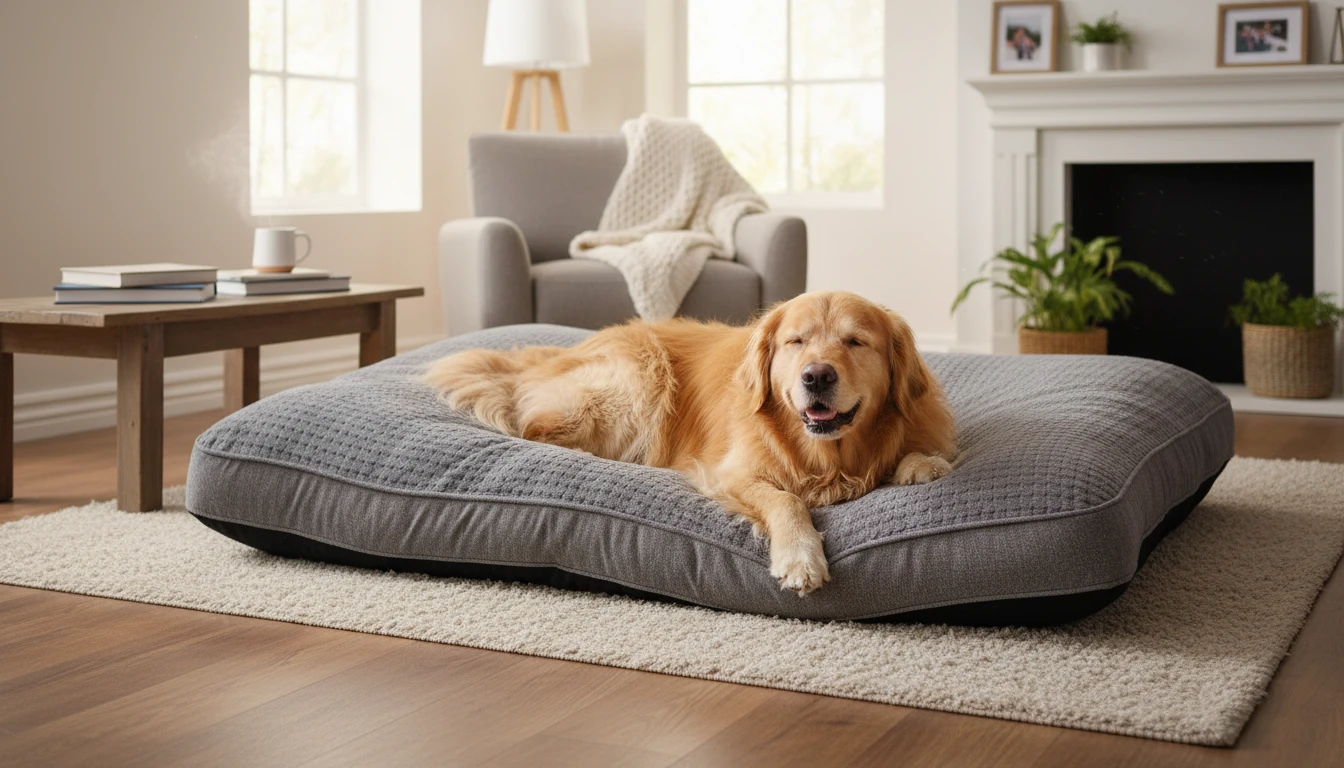
Why Orthopedic Beds Matter for Extra Large Dogs With Arthritis
Large breed dogs, especially seniors, are much more likely to develop arthritis. All that extra weight puts stress on their joints, which can lead to pain, stiffness, and a hard time getting comfy. My own Newfoundland struggled with these issues, so I know just how tough it can be to watch a dog fidget through the night. Orthopedic beds use special foams or support structures to cushion those old bones, which takes pressure off joints and helps dogs get the deep rest they need to feel their best.
Arthritis in dogs isn’t just a little joint pain—over time, it can seriously affect their quality of life. A well-chosen orthopedic bed won’t cure arthritis, but it helps reduce discomfort and encourages restful sleep. I’ve seen dogs go from cranky and restless to downright spry after switching beds, which says a lot about what the right support can do.
What to Look For in an Orthopedic Dog Bed
Shopping for a bed for an extra large dog with arthritis means digging into a few specifics. It’s not just about the biggest, comfiest option out there—certain details make a huge difference. So, here are the features I always check for:
- Thick Memory Foam: Look for high density memory foam that holds up over time. Thin or cheap foam quickly flattens, which defeats the purpose, especially for a big dog.
- Low Entry Design: Beds with raised edges can be hard for stiff, sore dogs to climb over. A low front edge makes it way easier for big arthritic dogs to get in and out.
- Support Zones: Some beds offer extra support for the hips and elbows, or add bolsters that double as pillows. My dog loved leaning his head on those bolsters.
- Waterproof & Washable Cover: Accidents do happen, and a cover that zips off for machine washing, and blocks spills from soaking in, saves a lot of stress.
- Non Slip Base: Big dogs can really shove a bed across the room. Grippy bottoms help keep things where they belong, so older pups don’t trip on a moving target.
Quality matters here, so it’s a good idea to read reviews or check for long term durability claims before committing. For more pet care tips, AKC’s guide to helping dogs with arthritis is pretty handy.
How to Measure Your Extra Large Dog for the Right Fit
Beds labeled “extra large” aren’t always the same size, so I always break out the tape measure. You want a bed that’s big enough for your dog to stretch out fully, especially if they tend to sprawl. Here’s how I do it:
- Measure your dog from nose to tail, then add 8-12 extra inches so they’re not hanging off the edge.
- If your dog curls up tight, you might get away with a slightly smaller bed, but stretching space is always a plus for arthritic joints.
- Check the weight rating too. Some “jumbo” beds aren’t built for truly giant breeds, such as Mastiffs or Great Danes.
It’s really important to make sure the bed fits your home too. Nobody wants to trip over a mattresssized dog bed in the hallway! If your space is limited, try measuring the available area first, so you won’t be frustrated bringing home a great bed that simply doesn’t fit your layout.
Popular Orthopedic Bed Types for Big Arthritic Dogs
There’s a surprising range of bed styles out there. Here are some of the main types you’ll run into, with a quick breakdown of what makes each option worth considering:
- Solid Memory Foam Beds: Super sturdy and best for total joint support. They last longer and don’t sag under extra weight, which is pretty important for a St. Bernard or Rottweiler.
- Egg Crate Foam Beds: Offer good airflow, which helps with heat, but look for thick, quality foam so your dog doesn’t sink right through.
- Bolster Beds: Padded sides give extra support for dogs who like to lean or rest their heads.
- Raised Cot Style Beds: Not strictly orthopedic, but these can help keep big dogs cool and avoid pressure points. Add a thick pad for more comfort.
I’ve had good luck with high density memory foam for my own dogs. It seems to respond the best to bigger breeds, and the right bed shape makes it easy for old pups to settle in comfortably. Some cot styles work well outdoors too, so if your dog likes to lounge in the sun, a raised cot bed can be a good outdoor option.
Quick Tips to Get Your Dog Used to Their New Bed
Some big dogs are surprisingly picky about trying out a new bed, even when it’s better for them. Here’s what’s worked well for me:
- Put the bed where your dog usually likes to nap. Familiar smells make a difference and help your dog associate the new bed with relaxation.
- Add a favorite blanket or toy for comfort. This makes the new spot feel safe right away.
- Give treats when they settle onto the bed, but don’t force it. Most dogs figure it out after a day or two.
If you already have an old bed, you can try laying the new one right on top for a first week or so. This helps with the transition and lets your dog get used to the new feel gradually.
Things to Think About Before Buying
Picking out the right bed takes a bit more than just getting the biggest one you can find. These are some handy considerations I always run through:
- Durability: Cheaper beds can flatten out quickly or tear easily. Look for thick covers and tough stitching if your dog likes to dig around.
- Heat Retention: Some foams can get hot, especially with longhaired breeds. Cooling gel layers or breathable fabrics make a difference.
- Budget: Orthopedic beds aren’t the cheapest, but they can save on future medical costs. I see it as an investment for my dog’s comfort, but there are solid midrange options too.
- Return Policy: Some brands offer a trial or return policy, which is helpful if your dog just isn’t interested.
Foam Quality
Dense memory foam resists flattening, which means it keeps supporting your dog’s joints over time. It’s worth checking if the foam is certified nontoxic (CertiPUR-US is a good sign) since dogs nap for hours a day. If your big pup is a chewer, consider foam beds with chewresistant covers for extra longevity.
Waterproof Features
If your big dog has incontinence or drools a lot, a waterproof liner is a real lifesaver for keeping the foam from getting smelly or moldy. Covers that zip off for washing are super practical, too. Some brands even offer spare covers, so you can always have one clean while the other is in the wash.
Extra Tips for Comfort and Mobility
Small details go a long way when it comes to making life easier for an arthritic dog. I always recommend adding a few extras:
- Place the bed on a nonslip mat if your floors are hardwood or tile. This adds security for dogs with weaker joints.
- Try a bed heater or self warming pad. Some older dogs really like the added warmth, just make sure it’s safe for pets.
- Position the bed in a draftfree area away from busy walkways, which cuts down on interruptions and cold spots.
Sometimes dogs benefit from a little daily stretching or gentle massage. Your vet or a certified canine rehab specialist can show you easy techniques that work well in combination with a great bed. For dogs with severe arthritis, even a little change such as raising their food bowls can help them eat more comfortably, so look for handy solutions that help your dog move easier overall.
Common Questions About Orthopedic Beds for Extra Large Dogs
These are the questions I get asked the most by owners of big, achy pups:
Question: How do I know if my big dog needs an orthopedic bed?
Answer: Watch for signs like restlessness, trouble standing up or lying down, and sleeping on hard floors. A supportive bed can make a big difference when you notice stiffness or slowing down.
Question: Can an orthopedic bed help even if my dog doesn’t have a diagnosis?
Answer: Yes! Lots of large breeds are prone to joint problems, so early support is a smart move, even before arthritis is obvious.
Question: How often should I replace a bed for a giant dog?
Answer: This depends on the bed’s quality and your dog’s weight, but every 2-3 years is common. Watch for sagging or foam that doesn’t spring back—those are signs it’s time for a new one.
Choosing the Bed That Keeps Your Dog Moving
A comfy, supportive spot to rest really helps big dogs with arthritis stay active and content. I’ve seen firsthand how a good orthopedic bed can lift a dog’s spirits and make daily life a lot smoother for both the pup and their people. Treating your best pal to a bed that fits their needs is a smart way to say, “I care,” and gives you both more time for adventures together.
If you’re on the hunt, asking your vet for advice or reading up on trusted reviews can help narrow your picks. For more at-home tips on making life better for dogs with arthritis, Canine Arthritis Management offers free resources worth checking out.