Living with a big dog means sharing your home with a gentle giant. From the outside, it might look like just more fur to love, but there’s a lot going on behind those wagging tails and slobbery kisses. I’ve lived with large dogs and can tell you firsthand: they bring loads of joy and comfort but also come with their own list of challenges that smaller breeds don’t usually toss your way. Here, I’m breaking down what it’s really like to raise a big dog so you’ll know what to expect.
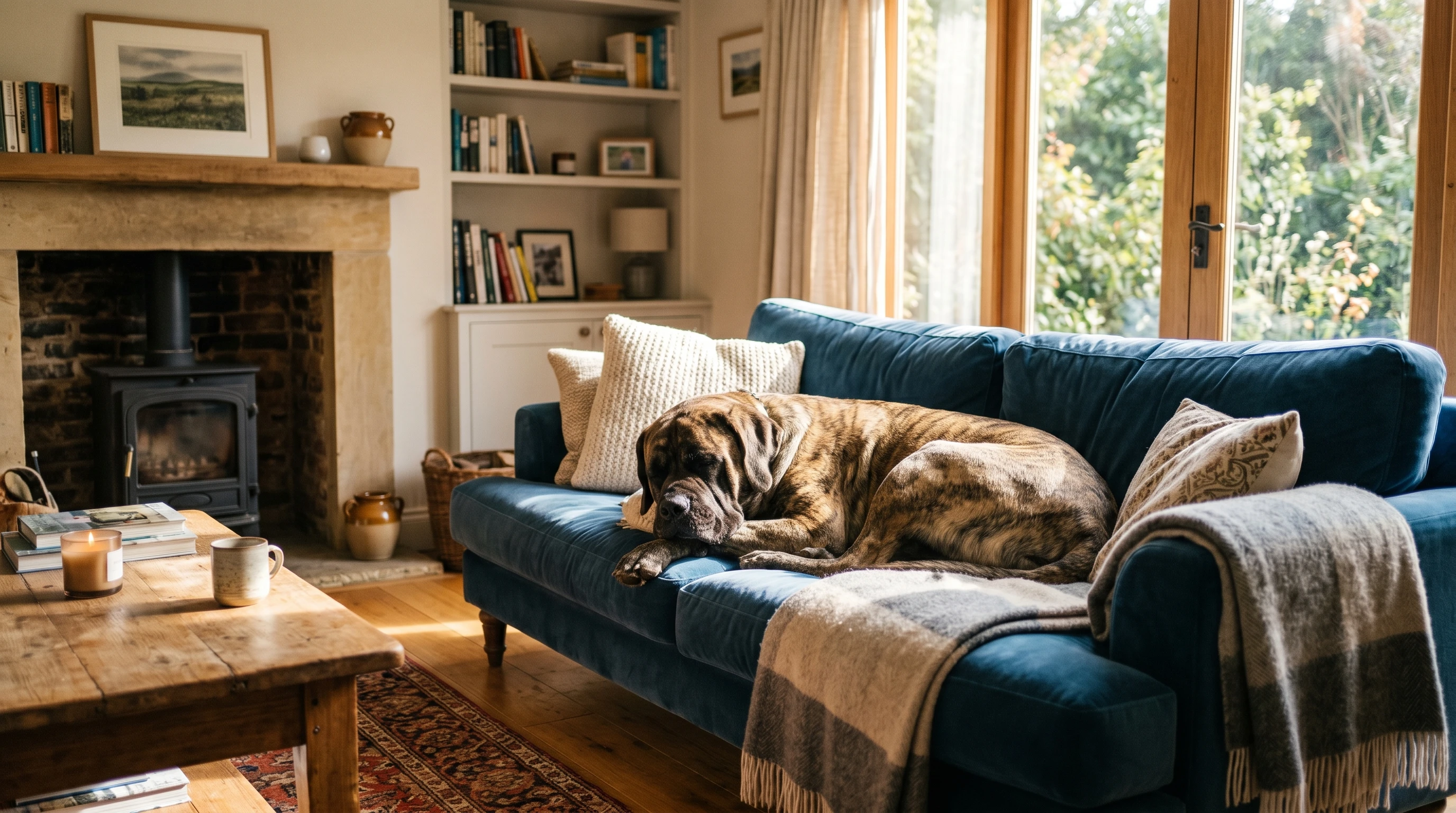
Big Dogs Are Awesome, But Not Always Easy
Giant breeds have a lot of charm, and they tend to be loving, smart, and loyal companions. Breeds like Great Danes, Saint Bernards, Newfoundlands, and Mastiffs stay popular for families and singles. The American Kennel Club reports an uptick in registrations for large breeds every year. But along with their warm hearts and soulful eyes, bigger dogs introduce complications that aren’t usually part of smalldog life. Daily routines, home environment, and even your travel habits might need adjusting.
Just raising a larger pup means thinking about exercise routines, feeding costs, vet bills, grooming, and travel. There’s also a social aspect—your giant dog will get attention everywhere you go (even if you’re just picking up coffee). Handling things like leash manners, meeting new people, and finding petfriendly rentals can pile on unexpected obstacles.
Bringing a Big Dog Home: What to Expect
If you’re picking up a bigbreed puppy or adopting a large adult, a few immediate things hit differently than with a smaller dog. Space is the first and most obvious. Large dogs need enough room to stretch, play, and simply move around without knocking over lamps or slamming into furniture. Living in a tiny apartment might not work well unless you have access to big outdoor spaces.
Key terms worth knowing if you’re joining the bigdog club:
- Joint Health: Large breeds deal with hip and elbow issues way more often than small dogs.
- Bloat (GDV): This is a health risk where the stomach fills with gas and twists. A serious medical emergency for big dogs.
- Crate Training: Even if you’re using crates for short periods, you’ll need one that’s actually big enough for your beast to turn around in.
Getting Off to a Good Start with Your Gentle Giant
Adjusting your routine and expectations right from day one makes life a lot smoother. Here are some essential first steps I always recommend to new largebreed dog owners:
- DogProof Your House: Keep fragile or dangerous items at bigdog tail or nose level out of reach. Even the best trained massive pup can cause accidental chaos.
- Pick Durable Gear: Largebreed dogs benefit from tough collars, leashes, and beds. Smalldog accessories just don’t hold up for long under 80+ pounds of energy.
- Meet the Vet Early: Find a vet experienced with large breeds. Preventive care really helps with health issues.
- Establish a Routine: Regular feeding, bathroom breaks, and exercise keep your big dog healthy (and your furniture safe).
- Teach Basic Commands: Training is super important to keep both your dog and others safe. A large untrained dog is hard to handle if excitement kicks in.
Planning ahead makes life with a massive fourfooter a lot more manageable, and way more fun, too.
Things to Think About Before Adopting a Big Dog
Size comes with its own set of hurdles. Don’t let these challenges scare you off, but be prepared for a different kind of ownership experience than you’d have with smaller breeds.
- Budget Concerns: Everything from food and medication to crates and toys costs more with big dogs.
- Space Needs: Large dogs don’t always require a giant house but do need space to move around safely.
- Physical Demands: Exercise requirements are higher, and walking a strong dog takes some muscle.
- Travel Limitations: Hotels and airlines are often picky about big breeds, or charge higher fees.
Feeding and Nutrition
Large breeds often eat more, but they also need food formulas designed for slower growth and joint support. Overfeeding can lead to weight problems, which in turn can make joint and heart issues worse. I make sure to stick with dog food designed for big boys and girls and divide meals into two portions (to help lower the risk of bloat).
Exercise and Activity
These dogs need daily movement, but not all big breeds are marathon runners. Instead, they benefit more from steady walks and controlled play sessions over rough and tumble dog park chaos. Skipping exercise can lead to boredom, which in my experience quickly turns into chewing, barking, or escape attempts.
Training Is Super Important
Teaching leash manners, polite greetings (no jumping!), and not pulling when excited isn’t just about being a model dog owner. It’s actually about safety. A friendly dog weighing 100 pounds can easily topple someone just by trying to say hi. I use positive reinforcement with treats, toys, or just a lot of praise, as harsh punishment doesn’t work and can hurt the bond between you and your pet.
Health and Lifespan
Big dogs tend to live shorter lives compared to smaller breeds. It’s tough to talk about, but average lifespans for giant breeds can be anywhere from 6 to 10 years. Monitoring for early signs of arthritis, heart conditions, or cancer is super important. Setting aside money for unexpected vet visits can ease some of the financial pressure if something comes up. Be proactive with checkups, and educate yourself about breed specific health concerns. It could make all the difference in quality of life for your dog.
Housing and Logistics
Finding apartments or rentals isn’t always easy with a massive dog. Some places have strict weight limits, and extra pet deposits are very common. Even home insurance might cost more if you have a breed known for its sheer size. Planning ahead before moving or traveling can prevent some pretty big headaches. Think about how your car will fit your dog for vet trips or family visits. And remember, a secure backyard fence is a must for most big breeds.
Tried and Tested Tips for Living Happily With a Big Dog
Building a routine around your big buddy’s needs helps avoid common bumps in the road. Over the years, these moves have saved me so much hassle:
- Keep Grooming Simple: Even shorthaired big dogs shed a surprising amount, and longhaired breeds can require professional grooming. Brushing them a couple times each week makes a big difference. Having grooming tools handy and making it a part of your routine pays off in less hair around the house (and on your clothes).
- Socialize Early and Often: Early, positive socialization helps avoid future reactivity or shyness in public. Meeting a variety of people, pets, and seeing new places makes a real difference in confidence. This leads to fewer stressful situations and a happier dog at home and on outings.
- Use the Right Equipment: Invest in wide, sturdy collars or harnesses that spread out pulling force, so you’re not hurting your dog’s neck. Quality equipment also means fewer replacement costs.
Adding enrichment activities, like puzzle toys or gentle tug games, also helps keep your large dog’s mind and body busy. Don’t forget, even big breeds love to curl up and snuggle after a good day of activity.
Common Big Dog FAQs
I get a lot of questions about what daily life is really like with a large dog. Here are a few that come up over and over:
How much does it cost to feed a big dog?
Answer: Expect to spend at least double (sometimes triple) what you’d pay for a smalldog’s food. Quality, specially formulated largebreed dog foods are worth it for their health.
Can big dogs integrate with kids or small pets?
Answer: Usually yes, when raised together with supervision and correct training. Large breeds often have gentle temperaments, but their size can unintentionally knock over little ones.
Are there travel restrictions with large breeds?
Answer: Many hotels and airlines put weight or size restrictions on dogs. Road trips and private rentals might be easier than air travel for families with big dogs.
Big Dogs in Everyday Life
The everyday realities of owning a large dog are a mix of laughter, exercise, and a few splashes of slobbery chaos. From sprawling out across the whole couch to needing a bigger car for trips to the park, these changes are all part of the package. For example, one of my friends drives an SUV just so her Newfoundland can fit comfortably in the back. That’s some real dog devotion!
- Outdoor Adventures: Hiking, swimming, or even basic walks are more fun (and more work) with a big furry companion.
- Security: Big dogs make a house feel safer, often just by being there. Even if they’re actually sweethearts, many folks think twice before approaching a home with a big dog.
- Neighborhood Attention: Prepare for lots of friendly strangers wanting to say hi or ask questions about your dog. People are naturally curious, and big breeds draw a crowd wherever they go.
People love sharing stories and tips about life with a massive dog, and community forums or breed specific groups can be super useful for day to day advice. The bigdog world is welcoming and full of help from others who understand these unique ups and downs. If you’re thinking about welcoming a big dog into your life or already share your world with one, know that you’re joining a big, friendly club that stretches far beyond your local dog park. With the right approach, a bit of planning, and lots of love, life with a gentle giant is rewarding beyond words. Enjoy every moment with your oversized companion!