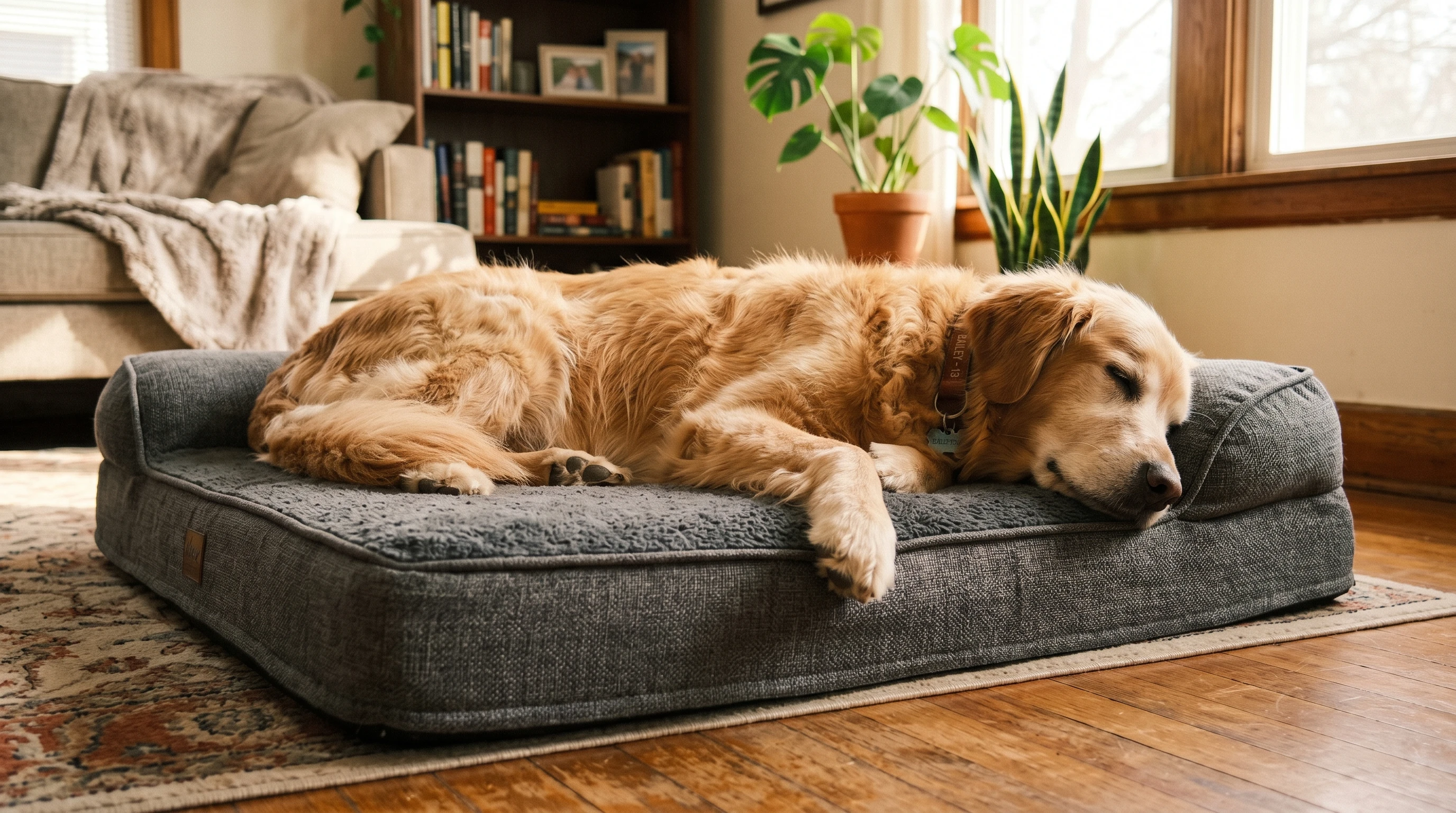
Orthopedic beds are a real game changer for senior large dogs. As pups get older, especially those who are a bit bigger, their joints need more support and comfort than what a standard dog bed can give. I’ve spent a lot of time researching what matters for these beds, and I want to share what I’ve learned so your furry friend can rest easy and wake up feeling a little less achy.
Why Orthopedic Beds Matter for Senior Large Dogs
As dogs age, their bodies start to feel the effects of years spent running, jumping, and snoozing in awkward positions. Joint pain, arthritis, and pressure points can become pretty uncomfortable, especially for larger breeds who carry more weight on their bodies. Orthopedic beds use special materials like memory foam to help cushion sore spots and keep dogs off hard surfaces. This kind of support can make a big difference in their day to day comfort, especially after long walks or play sessions.
Senior large dogs, such as Labradors, German Shepherds, Great Danes, and Golden Retrievers, are more likely to develop hip dysplasia or arthritis, which makes a supportive bed a must for their quality of life. If your dog is showing signs of stiffness, limping, or seems restless at night, an orthopedic bed is definitely worth checking out.
It’s important to remember that larger breeds age more quickly than small ones. That means their joints and bones require added attention as they grow older. Their added weight puts more stress on their bodies, so a bed that can cushion pressure points and distribute their body weight evenly will help prevent sores and more pain in the long run. Sometimes, older dogs seem to favor a certain side or can’t seem to settle; this is a good indicator it’s time to give their sleeping space a boost.
What to Look for in an Orthopedic Bed for Large Dogs
I’ve tested and researched all sorts of orthopedic beds over the years, and I’ve found a few key things that really make a difference. Here’s a quick rundown of the features you’ll want to keep in mind when choosing a bed for your big senior pup:
- High Density Foam: Thick, quality foam, especially memory foam, gives sturdy support that won’t flatten out quickly and helps cushion joints. Lower quality foams might sink or clump after just a few months.
- Removable and Washable Covers: Senior dogs sometimes have accidents or bring in more dirt, so covers that zip off easily for washing are super handy.
- Waterproof Liners: Accidents happen more often as dogs get older, so a waterproof layer can help protect the mattress and keep smells away.
- Non Slip Bottom: Big dogs can shift a bed around when they try to get comfortable, and a nonslip base keeps everything in place. This is especially important on hardwood or tile floors.
- Size and Thickness: Large dogs need extra space and thickness so they’re not hanging off the edge or bottoming out. It’s always a good idea to measure your dog while they’re stretched out and pick a bed that matches or exceeds their size.
Additionally, pay attention to the bed’s shape and materials. Some covers are made from cooling fabrics, which can be ideal if your dog has a thick coat or tends to run warm. If your dog is a chewer, check for durable outer fabrics that won’t shred easily. A well made bed should balance comfort, durability, and practicality.
Getting the Right Fit: Choosing the Best Bed for Your Dog
Different types of orthopedic beds offer distinct perks. I’ll break down the main ones I’ve come across, which can help you figure out what’s going to work best for your own dog’s needs.
- Flat Mattress Style Beds: These are straightforward, thick slabs of memory foam or support foam. They’re easy for dogs to step on and off, which is ideal for pups with mobility challenges.
- Bolster Beds: Beds with raised sides or headrests offer extra comfort for dogs who like to lean or curl up. Some dogs even like to rest their heads as a pillow; it’s adorable and practical at the same time.
- Elevated Orthopedic Beds: Off the ground beds made with a sturdy frame and tightly stretched mattress work well for dogs who get hot easily or need extra airflow, but they can be a little trickier for older pups to climb onto.
If in doubt, I usually suggest erring on the larger side. Most senior large dogs like enough room to fully sprawl out. When picking thickness, 4 inches is generally the absolute minimum for real support with big breeds. Beds with 6 inches or more are even better for heavier dogs or those with serious joint issues.
It’s also a good idea to try positioning the bed in different locations to see where your pet feels most comfortable. Try both warm and cool spots in the house. If you have the space, keep a backup bed in the primary area where your dog likes to nap. Consistency in comfort can make them feel secure and pampered.
Daily Life With an Orthopedic Bed
I’ve seen firsthand how quickly senior dogs grow attached to their new orthopedic beds. Some pups start sleeping more soundly right away, waking up less stiff. You might even notice changes in how they move around the house during the day; dogs who slept poorly can act stiff and grumpy, but with a better bed, they tend to be happier and more mobile.
Cleaning and maintaining these beds is usually straightforward. I recommend washing the cover regularly and spot cleaning the foam or liner if needed. For dogs prone to incontinence or heavy shedding, an extra set of covers or a waterproof protector can save a lot of hassle down the line.
If your dog is hesitant to get onto the new bed at first, try adding a favorite blanket or a piece of your clothing with your scent to make it more inviting. In a few days, most dogs will happily make their new orthopedic bed their go to spot for naps and all night snoozes.
Common Mistakes To Avoid When Buying an Orthopedic Bed
It’s easy to get caught up in flashy marketing or cute styling, but those don’t always equal comfort or support. Here are a few things I always watch for:
- Choosing Based On Looks Alone: Skip anything that’s too thin, has lots of decorative frills, or is more about fashion than function.
- Going Cheap on Foam Quality: Super cheap beds often use “egg crate” foam or basic polyfill that compresses almost instantly, offering little help for aching joints.
- Forgetting About Returns or Warranties: It’s smart to buy from brands that offer a trial period or guarantee, so you’re not stuck if your dog simply refuses to use the bed.
Don’t forget to look up genuine customer reviews and ratings before buying. Sometimes, glossy online descriptions make a bed sound like a miracle, but the real world test is how dogs actually use it at home.
Extra Tips for Making the Most Of Your Dog’s Orthopedic Bed
Sometimes, a great bed is just the start. Here are a few extra touches that make a difference for senior large dogs:
- Add a Low Step Ramp or Stairs Nearby: If your dog sleeps near the sofa, bed, or car, a small ramp can help them save their joints from jumping or awkward steps, especially first thing in the morning.
- Place The Bed In a Cozy Spot: Dogs love feeling like part of the family, so put their bed somewhere warm, draft free, and close to all the action but out of foot traffic.
- Rotate and Fluff: Every few weeks, turn the mattress to prevent sagging in one spot and give it a fluff to keep things comfy.
You can also place a favorite toy or comfort object on the bed, giving your dog another reason to settle down. If your dog sometimes struggles to regulate temperature, look for orthopedics with cooling gel layers or place a cooling mat on top during hot days.
Real World Examples and Stories
I’ve heard countless stories from pet owners who wished they’d switched to an orthopedic bed sooner. One friend’s senior Great Dane went from limping in the morning to actually wagging her tail at sunrise after just a couple weeks on a solid memory foam mattress. Another dog who used to avoid her “cute” novelty bed crawled onto her new orthopedic one and didn’t move for hours except to softly snore. These aren’t just rare success stories; most senior dogs really do notice the difference right away.
Shelter volunteers also report improved morale and health among senior dogs who have access to quality beds with orthopedic foam. Pups placed in foster care often settle in faster and show more friendly behavior when they can rest comfortably from the start. Improving sleep really does have a domino effect on overall well being.
Frequently Asked Questions About Orthopedic Beds for Senior Large Dogs
Some common questions always pop up when shopping for these beds. Here are a few straight answers based on my own experience and top expert advice:
Question: Do orthopedic beds really help with arthritis?
Answer: Quality orthopedic beds help relieve pressure on aching joints and make it easier for senior dogs to get comfortable. While they can’t cure arthritis, they definitely make a difference in comfort and mobility.
Question: What’s the best material for orthopedic dog beds?
Answer: Dense memory foam or high support foam works best for big dogs. It holds its shape, doesn’t flatten easily, and distributes weight more evenly than standard filler or “egg crate” foam.
Question: How do I know what size to buy?
Answer: Measure your dog from nose to base of tail when lying down and add a few extra inches. For really large breeds, getting the next size up almost always works better.
Question: Can orthopedic beds help with hip dysplasia?
Answer: Orthopedic beds help by reducing pressure on the hips, supporting healthy alignment, and making it easier for your dog to get comfortable, but always talk to your vet for other treatment ideas if hip dysplasia is a concern.
Question: Are all memory foams the same?
Answer: Not all memory foam is created equal. Look for beds that specify “high density” or “orthopedic grade.” Some cheap foams break down quickly, so go for brands that provide detailed specs or have lots of positive reviews from large breed owners.
Final Thoughts
Finding the right orthopedic bed means really thinking about what will help your dog rest and recover at their age and size. For senior large dogs dealing with aches, arthritis, or stiffness, a smart investment in a supportive bed often leads to better sleep, improved moods, and gentler mornings. You’ll notice the positive changes, and your pup will definitely appreciate all the extra comfort you give them.
Start your search now, and give your senior buddy the cozy, reliable spot they deserve for all those well earned naps and snoozes.