Finding the right bed for a big dog can make all the difference for their comfort and health. If your dog struggles to get cozy or seems stiff after sleeping, it might be time to look into orthopedic raised dog beds. With more people recognizing how helpful these beds are, especially for large breeds, there’s a growing variety of choices. I’ve put together an all-in-one guide to help you figure out what makes these beds worthwhile, what features matter most, and how to pick out the perfect one for your big pup.
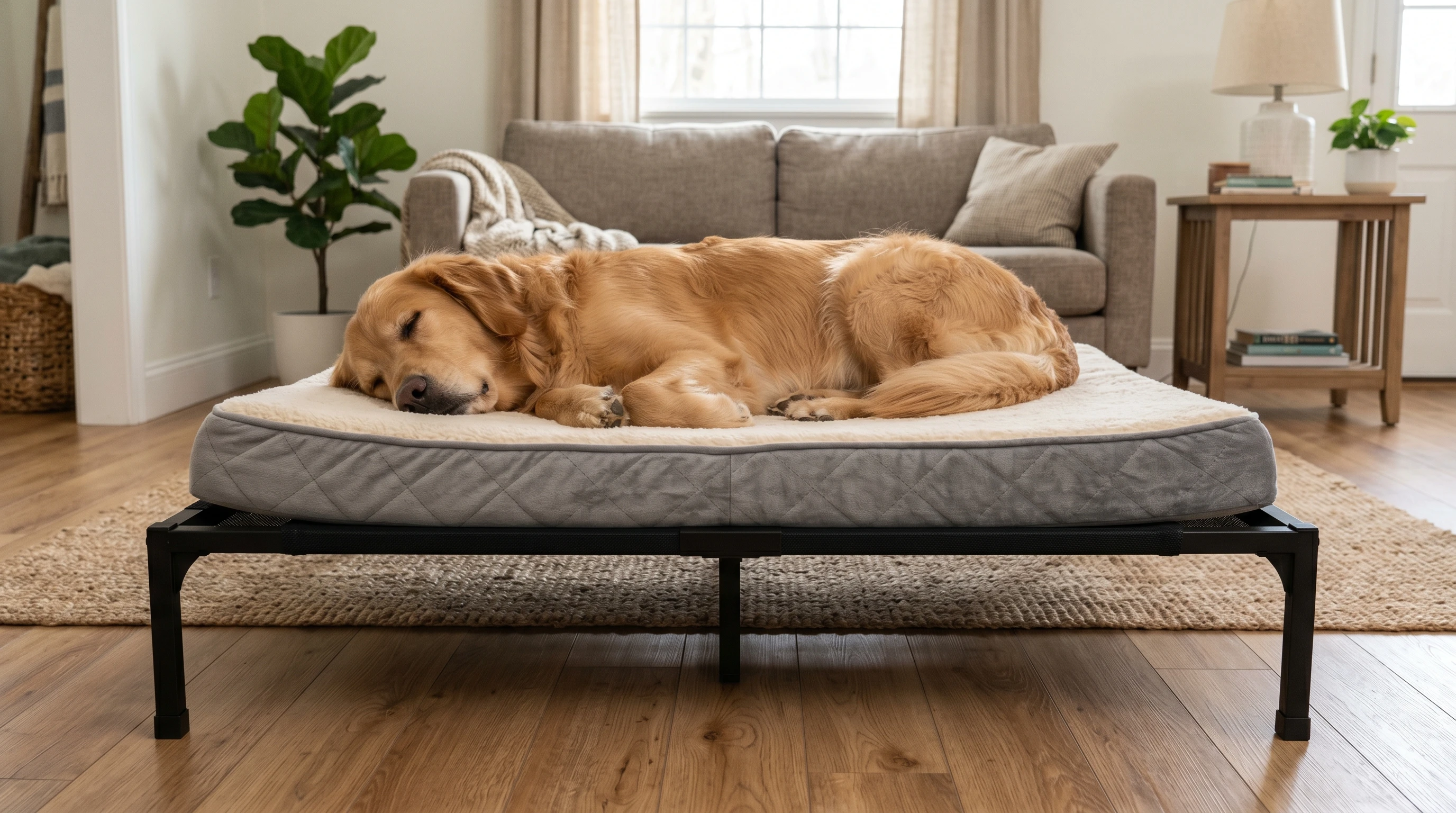
Why Orthopedic Raised Dog Beds for Large Dogs Matter
Orthopedic raised dog beds have become really popular for dogs with achy joints, arthritis, or simply for pups that need extra support. Large dogs, in particular, tend to deal with more hip and joint problems as they age. Extra weight puts pressure on their joints even when they’re lying down, which can make discomfort worse with regular beds.
Instead of letting your dog sprawl out on a thin blanket or hard floor, orthopedic raised beds keep them cushioned and off cold, stiff surfaces. These beds are designed to distribute your dog’s weight evenly, prevent pressure points, and offer solid support that helps them get better rest. Lifting them off the floor also helps keep your pup cool and away from dirt or drafts. This is great for overall health, and many veterinarians recommend raised beds for large breeds.
Core Features of Orthopedic Raised Dog Beds
Picking the right orthopedic raised bed for a big dog starts with knowing what makes these beds work well. Here are the top features I always look for:
- Supportive Foam or Padding: Quality orthopedic beds include thick, dense memory foam or medicalgrade foam that won’t flatten out quickly. This helps cushion aching joints and supports heavier dogs reliably.
- Sturdy Raised Frame: A strong, elevated frame lifts your dog off the ground, promoting airflow and keeping them away from cold floors. Metal or reinforced plastic frames are usually more durable for large, heavy breeds.
- Waterproof and Washable Covers: Messes happen, and large dogs tend to drool or shed a lot. Removable, washable covers (especially if they’re waterproof) make cleanup super quick.
- Non-Slip Feet or Base: Large dogs can be a bit clumsy, so having a bed that doesn’t slide around is really important for safety and peace of mind.
Other cool features you might find are supportive bolsters for head and neck comfort, cooling gel infusions in the foam, or chewresistant construction for extratough pups. If you’re shopping for a senior dog, look for beds with gentle entry points that don’t make them jump too high.
Benefits of Raised and Orthopedic Designs
Giving a big dog an orthopedic raised bed comes with a bunch of perks. I’ve seen firsthand how even young, active dogs seem happier after switching from a regular mat to a raised bed with solid padding.
- Improved Joint Health: Orthopedic foam provides enough lift for bony hips and elbows, while the raised design can help reduce pressure on sensitive joints.
- Better Temperature Control: Raised beds allow for more airflow, so dogs stay cooler in warm weather and drier in damp conditions. That makes them ideal for bulky breeds that overheat easily.
- Cleaner, More Hygienic Sleep Surface: Being off the ground keeps bugs and debris away and helps prevent skin irritation or unnecessary shedding triggered by allergens or dust on the floor.
- Easy Access: The right bed makes it simpler for older dogs with reduced mobility to get up after resting. Some beds are designed with lower entry sides or stepups.
Lots of dog owners notice their pets sleep more soundly and wake up less stiff after making the switch. Even for healthy, younger dogs, starting with an orthopedic raised bed may support bone and joint health long-term. If you’re getting a puppy or adopting a large breed, setting them up with a good bed early is a smart move to support their growth.
How to Select the Best Orthopedic Raised Dog Bed for Your Large Dog
Here’s how I approach picking out a bed that will keep a big dog comfy and supported for the long haul:
- Measure Your Dog: Length, height, and weight all play a part. A bed that’s too small won’t allow your dog to sprawl out fully. I usually add at least 6 inches to their length for good measure.
- Check Weight Limits: Some beds are labeled as “large” but only rated for 50-60 pounds. Make sure the weight capacity is well above your dog’s size, especially for breeds like German Shepherds or Great Danes.
- Look at Foam Thickness and Type: Aim for dense, orthopedic foam that won’t sag. I usually like to see at least 3-4 inches of highquality foam in beds for big pups.
- Inspect the Frame Build: Raised beds need a tough, reinforced frame. Powdercoated metal or thick molded plastic holds up best for heavy use.
- Prioritize Easy-to-Clean Materials: Dogs shed, drool, and bring in dirt. Zipoff covers and waterproof liners are really handy.
- Review Safety Features: Check for slipresistant bases, rounded corners, and wellsecured fabric. Some designs even resist chewing or scratching, which is nice for playful dogs.
What to Consider Before Buying
There are some things you’re going to want to think about before committing to a new dog bed, especially one that’s an investment like an orthopedic model for a large breed.
- Dog’s Age and Health: Senior dogs or dogs with orthopedic issues need more support and sometimes a softer entry point. Younger dogs might benefit from firmer support and tougher materials.
- Dog’s Sleeping Style: Some pups stretch out completely, while others curl up tight or love to lean against a bumper. Match the bed design to your dog’s habits.
- Home Environment: If you keep the bed outside or in a hightraffic room, look for weatherresistant, heavyduty fabrics. For indoor use, stylish covers might blend better with your home decor.
- Budget: Good orthopedic and raised beds can be pricey, but they usually last longer and provide more value than cheap cushions that flatten fast.
Foam Type: Why It Matters
Most orthopedic dog beds for large breeds use either memory foam or highdensity orthopedic foam. Memory foam shapes to your dog’s body and bounces back after use, so you don’t get a big dip over time. Highdensity foams offer sturdy, even support and help prevent joint pressure. I’ve found that combo beds with both types of foam tend to suit most big dogs really well.
Frame Materials
Raised beds are usually made with either powdercoated metal or reinforced plastic. Metal frames often last longer and hold more weight. Make sure the bed has sturdy support in the middle so there’s no drooping when your dog lies down. Reinforced plastic frames can be lighter to move, but always doublecheck the weight rating for big breeds.
Cleaning and Maintenance
Large dogs shed a lot and can get pretty messy. Removable covers are a gamechanger, and many covers these days are machine washable. For heavy droolers or dogs with accidents, waterproof or waterresistant covers work best. A lot of brands sell extra covers, so it’s worth picking up a second one for easy swaps. Regular maintenance ensures the bed lasts and keeps odors under control.
Common Questions About Orthopedic Raised Dog Beds
These are some of the most common things I get asked when helping people find the right bed for their dogs:
Question: Are orthopedic raised dog beds only for older or injured dogs?
Answer: Not at all. Even healthy, active large dogs benefit from extra support and cooling airflow. Starting young pups on an orthopedic bed may help prevent joint issues as they grow.
Question: How do I clean an orthopedic raised bed?
Answer: Most beds have a zipoff, machinewashable cover. Regular vacuuming or a lint roller keeps fur under control between washes. Check the manufacturer’s instructions for tips on cleaning the foam or frame.
Question: Will my dog overheat on a foam bed?
Answer: Raised beds help with air circulation underneath, and many orthopedic foams include cooling gel layers. If you live in a hot climate, stick with a breathable, meshbased cover or openweave bed surface.
RealWorld Uses: How These Beds Help Dogs and Owners
In my own experience and from chatting with other owners, orthopedic raised beds really help improve a dog’s quality of life. After making the switch, a lot of big dog owners notice their pups seem more rested and less stiff. Some dogs even go straight to their bed after walks or playtime because they know it’s the most comfortable spot around. This comfort leads to healthier, happier pets—which is what every owner hopes for.
- Active, Athletic Dogs: Extra joint support helps dogs recover faster after hikes or play sessions.
- Rescue or Shelter Dogs: Nervous or anxious dogs settle faster on a cozy, supportive bed that smells like home.
- Outdoor Dogs: Raised designs keep dogs off cold patios and away from wet grass or concrete, preventing chills and helping them stay dry.
- Senior Dogs: Older dogs with arthritis or hip problems rest easier and aren’t as stiff after getting up.
Additionally, pet owners find that elevated orthopedic beds are easier to vacuum underneath and move for cleaning, keeping the pet area tidier overall. If you have children or other pets at home, it’s also safer having a dedicated spot where your big dog feels secure and comfortable.
Final Thoughts
Providing your big dog with a solid orthopedic raised bed does a lot more than just make nap time better. It keeps your pup comfy, supports good health, and stands up to the wear and tear that large breeds throw at their gear. Whether you’ve got a bouncy Lab, a lazy Mastiff, or a retired racing Greyhound, investing in a wellmade bed is a simple way to show you care about their comfort every day. Careful research helps buyers make informed decisions, and picking the right bed can make all the difference for your dog’s daily routine. If you’re searching for specific products or brand reviews, sites like the American Kennel Club offer thorough breakdowns on different orthopedic dog beds.