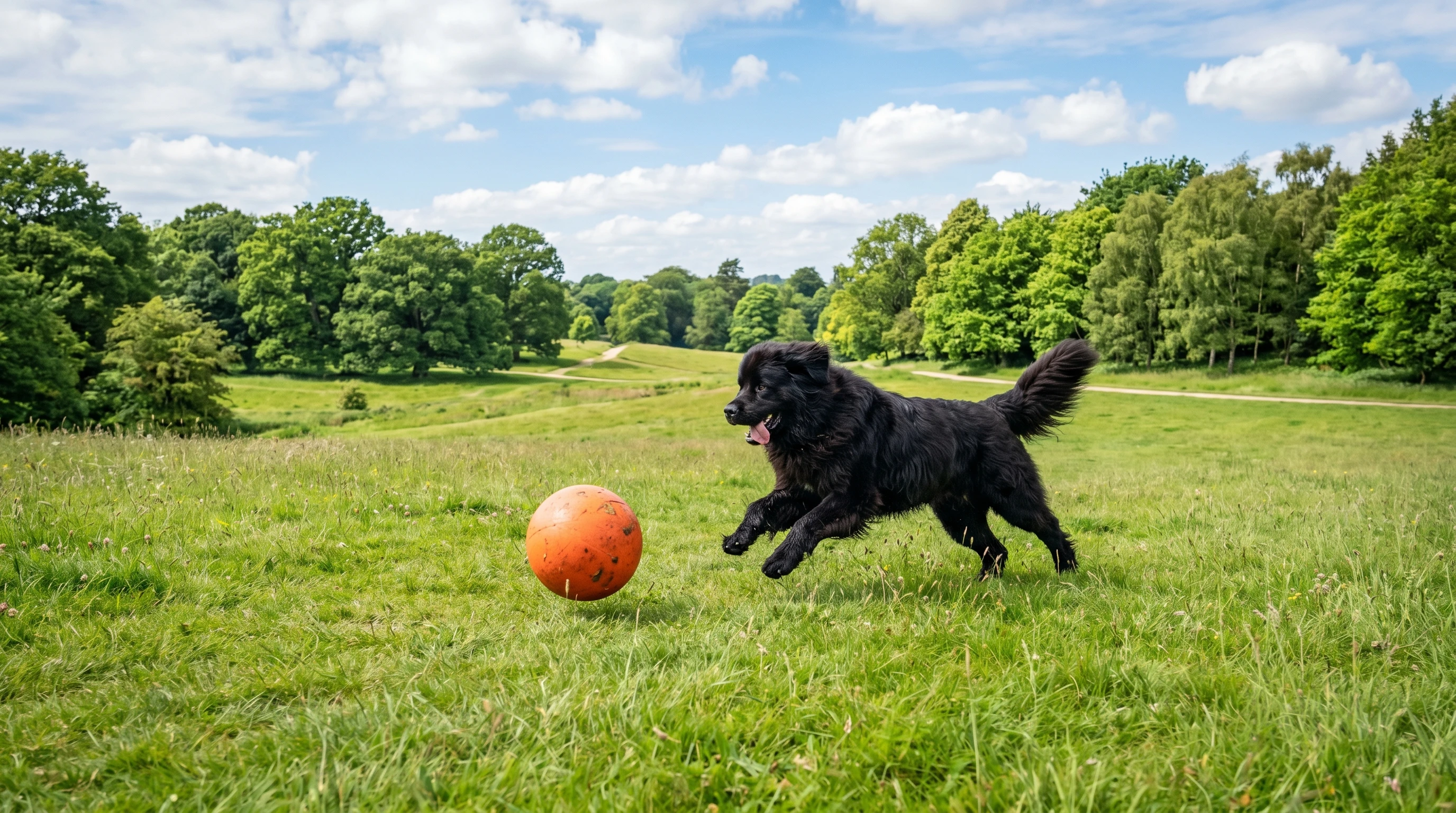
Playing fetch with a giant dog can turn an ordinary day into an exciting adventure if you’ve got the right toys and know a few handy tricks. These big bundles of energy love a good chase, but their size and strength mean you might need to rethink the typical fetch routine. I’m sharing my go-to strategies, favorite toys, and techniques to help you and your giant pup get the most out of every fetch session.
Why Fetch is Great for Big Dogs
Fetch isn’t just another game for dogs, especially for large breeds. These dogs need regular, vigorous exercise to stay healthy and happy. Fetch channels their energy in a focused way, keeps their minds sharp, and builds a solid bond between you and your buddy. With the right toys and a few simple techniques, fetch can fit into daily walks or become the highlight of your weekend outings.
Many giant breeds, like Great Danes, Bernese Mountain Dogs, and Newfoundlands, have a natural drive to chase or retrieve. Tapping into this natural play style gives them physical exercise without putting too much pressure on their joints, which is something to watch out for in bigger dogs.
Besides physical benefits, fetch is mentally stimulating for these intelligent breeds. It satisfies their need to work with you, helps reduce boredom, and can ease behavioral issues that stem from pent-up energy. For anxious or nervous big dogs, fetch can also serve as an outlet to relax and burn off stress. Regular play will help you spot early signs of soreness or fatigue, so you can adapt your routine accordingly.
Choosing Fetch Toys for Giant Dogs
Toy selection makes a huge difference. Standard tennis balls and flimsy sticks just don’t cut it for most big breeds. Here are some options I like for giant dogs, plus some things to keep in mind:
- Oversized Rubber Balls: Extralarge, heavyduty balls are harder to destroy and less likely to be a choking hazard.
- Durable Rope Toys: Good for interactive games, and many big dogs like the texture of rope for carrying and chewing.
- Tough Flying Discs: Flexible discs made for tough chewers are great for fetch, and they’re less likely to break teeth than hard plastic ones.
- Specialty Throwers: Ball launchers specifically designed for largedogsized balls can save your arm during longer sessions.
- Floating Water Toys: For waterloving breeds, heavyduty floating toys make fetch even more exciting at the beach or lake.
Materials really matter. Look for toys made from natural or reinforced rubber, durable canvas, or heavyduty nylon. Avoid toys with easily chewedoff parts or anything that could splinter, like sticks or brittle plastics.
You can even rotate between favorite toys, introducing puzzle balls or scented toys for extra stimulation. This not only keeps your dog excited, it also stretches the life of each toy.
Key Features to Look For
- Size: Bigger is better for giant dogs, but make sure your pup can grab and carry the toy without struggling.
- Durability: Check reviews and product descriptions to make sure the toy really stands up to strong jaws and determined chewers.
- Visibility: Bright colors make toys easier to spot in grass, sand, or water.
- Easy to Clean: Machinewashable rope toys and easily rinsed rubber balls help keep things fresh after muddy sessions.
Keeping a variety of fetch toys in rotation helps keep your dog engaged and lets you see which ones hold up best. For dogs who seem to lose toys in the park, opt for those with distinctive shapes or colors. Some ball designs even whistle or bounce unpredictably, adding an extra twist to the fetch adventure!
Techniques for Playing Fetch With Giant Dogs
While some giant breeds are naturals at fetch, others need a bit of encouragement or training to really get into the game. Here’s what worked for me and my own oversized pals:
- Start With Short Tosses: Don’t launch the toy across a soccer field right away. Begin with closer throws so your dog learns to pick up the toy and bring it back.
- Introduce a Command: Use clear, consistent commands like “fetch,” “bring it,” or “drop it” to reinforce what you want. Big dogs appreciate structure and usually pick up on routines quickly.
- Reward the Return: Many big dogs enjoy the chase more than the return. Give treats or lots of praise when they bring the toy back, even if it’s only part of the way at first.
- LowImpact Play: With giant breeds, focus on fewer, wellcontrolled throws to avoid overexertion or joint stress. Using rolling throws or softer tosses helps keep play gentle but fun.
- Mix in Tug: Adding a tug session at the end of fetch taps into your dog’s natural instincts and offers a cool change of pace. Just use sturdy toys designed for tugowar.
As you get into a rhythm, you’ll find your big dog’s favorite moves—some love to chase, others love to be chased! Switch up the direction and distance to keep things interesting and challenge both your dog’s mind and body.
How to Keep Fetch Safe for Large Breeds
Safety is super important when your dog hits the 100pound mark. Overexertion or the wrong toy can mean injuries, or at least a limping pup the next day. Here are some things I always keep in mind:
- Watch the Surface: Stick to grass, dirt, or sand rather than concrete, which can be rough on big dog joints and paws.
- Avoid Extreme Heat: Giant dogs tire quickly in the sun. Fetch during cooler parts of the day, and have water ready to keep them hydrated.
- Keep Sessions Short: Big dogs don’t always show fatigue until they’re really worn out. Ten to fifteen minutes is enough for a game; end the session on a high note.
- Monitor Teeth and Gums: Check that toys aren’t damaging teeth, especially if your dog is an enthusiastic chewer.
Knowing your dog’s limits and checking in often helps keep every play session fun and comfortable. If you notice signs of lameness, heavy panting, or reluctance to continue, it’s time to take a break. Regular vet checks also help ensure your big dog’s joints and muscles are up to playtime.
Dealing With Common Fetch Challenges
Not every big dog is born to retrieve. Sometimes there are bumps along the way, but I’ve found these tips come in pretty handy:
- Reluctance to Release: If your dog grabs the toy but won’t drop it, try trading for a treat or use a second toy as a distraction.
- Losing Interest Fast: Rotating toys, changing up the throw distance, or adding playmates can keep things interesting.
- Stopping to Chew: If your dog wants to sit and chew, take quick breaks between throws or use a toy that’s tough to gnaw on.
- Chasing But Not Returning: Some giant breeds just like the chase. Use a long line (training leash) to guide them back, rewarding them for returning with the toy.
Patience goes a long way, and every dog is different. Some catch on quicker, others just want to make the game their own! If you find fetch becomes less exciting, try new toys or play locations. Sometimes switching from the yard to a local field is all it takes to spark renewed interest.
Fetch for Multidog Households
If you’ve got more than one giant dog in the house, fetch becomes a group event. Here are a few things to watch for:
- Use toys that are big enough for two to carry but durable enough not to come apart during some healthy competition.
- Start slow, and watch for signs of resource guarding. Some dogs don’t like to share their favorite toy, especially when there’s excitement in the air.
- Try playing fetch with each dog separately before involving everyone together; this helps prevent squabbles and keeps play positive.
Having a couple of identical toys on hand can help, along with giving each dog their own clear turn. If one dog is much more enthusiastic, keep a few short games for each, letting every pup feel successful. Supervising with multiple dogs also helps you step in quickly if things get too rowdy.
Frequently Asked Questions
There’s a lot to consider when playing fetch with giant dogs, so here are a few common questions I run into:
What’s the best fetch toy for really strong chewers?
Answer: Heavyduty rubber balls or reinforced canvas toys hold up best. Brands like Kong and Jolly Pets have great options for large breeds.
How do I train my giant dog to bring toys back all the way?
Answer: Start by rewarding short returns, even if your dog only brings the toy partway. Gradually increase the distance, and always reward the full return with treats or praise.
Can you play fetch safely indoors with big dogs?
Answer: Use soft, lightweight toys in spacious rooms. Move furniture aside and play rolling games to keep impact low and protect your home.
How do I keep play interesting for older giant dogs?
Answer: Use softer toys, shorter throws, and try new scents or textures in toys to keep them engaged without overdoing it.
Any tips for rainy day fetch?
Answer: On wet days, set up a safe play area indoors, using rubber mats to prevent slipping. Toss soft, squeaky toys for short distances and give your dog a quick towel dry after play.
Wrapping Up: Tips for Ongoing Fun
Playing fetch with a giant dog is all about making it enjoyable, safe, and tailored to your dog’s needs. The right toys, positive training, and a bit of creativity can turn regular fetch into a highlight for both you and your dog. Keeping a few different toys on hand, watching your dog’s energy levels, and shaking up the routine now and then keeps everyone happy. Here’s to a lot of tail wags and joyful romps in your future fetch sessions!